
Denmark is probably one of the most bike-friendly countries in the world. Cycling is not just a casual, weekend activity, it is how most of the country’s residents commute to work, take their kids to school, and accomplish their other activities on a daily basis.
With such a unique focus on the practical and healthy aspects of the bicycle, it follows that Denmark has over 12,000 kilometers (7,456 miles) of cycling available. But if you want to ride unrestricted, without the noise of other cyclists in areas like Copenhagen, you can do a solo ride on the Kattegat Cycle Route that runs for 400 kilometers (248 miles) along Denmark’s coastline.
What is The Kattegat Cycle Route?

The Kattegat Cycle Route refers to the Kattegattleden in Sweden that traverses the country’s coast. The Kattegat is encompassed in that route and is 400 kilometers long. It covers a piece of the 30,000 kilometer coast between Denmark and Sweden where the Baltic and North Sea link up.
The Kattegat area, however, is specific to Denmark. It starts in the southern town of Helsingborg and finishes in the north at Gothenburg. But the actual route begins in Copenhagen and runs to Skagen. Along the way, riders will encounter fishing towns, scenic natural areas, and windswept beaches with lighthouses.
Scenic and Historical Highlights Along the Kattegat Cycle Route

If you want to experience the true essence of Denmark, you must exit the city centers of Copenhagen and Gothenburg. The Kattegat Cycle Route begins, though, by taking you through areas like Tivoli Gardens in Copenhagen, an amusement park opened in 1843. You’ll also pass by the National Park, the country’s oldest park that’s located along the coast with 200 kilometers of trails.
As you ride north on your way to Skagen, you’ll see remarkable beaches as well as something you probably didn’t know Denmark contained: lots of lighthouses. In fact, Rubjerg Knude Lighthouse is a very popular attraction among locals. Opened in 1900, the lighthouse was, at one time, close to being overrun by the sea until it was moved 70 meters (229 feet) inland in 2019.
Skagen is also the site of what is called the “Buried Church,” its actual name being St. Lawrence Church, which was built in the 14th century. Due to shifting sands in the area and repeated burials, the church was closed in 1795. You can also see the Gra Fyr (“grey lighthouse”), considered Denmark’s second highest lighthouse.
Last Thoughts

If you’re looking for a casual and unguided cycling trip through Denmark where you can see the country’s most scenic and historic sites along the way, the Kattegat Cycle Route seems like a great choice. Start in one of the world’s most bicycle-friendly cities and ride north to experience the country in a way that only locals probably know about.
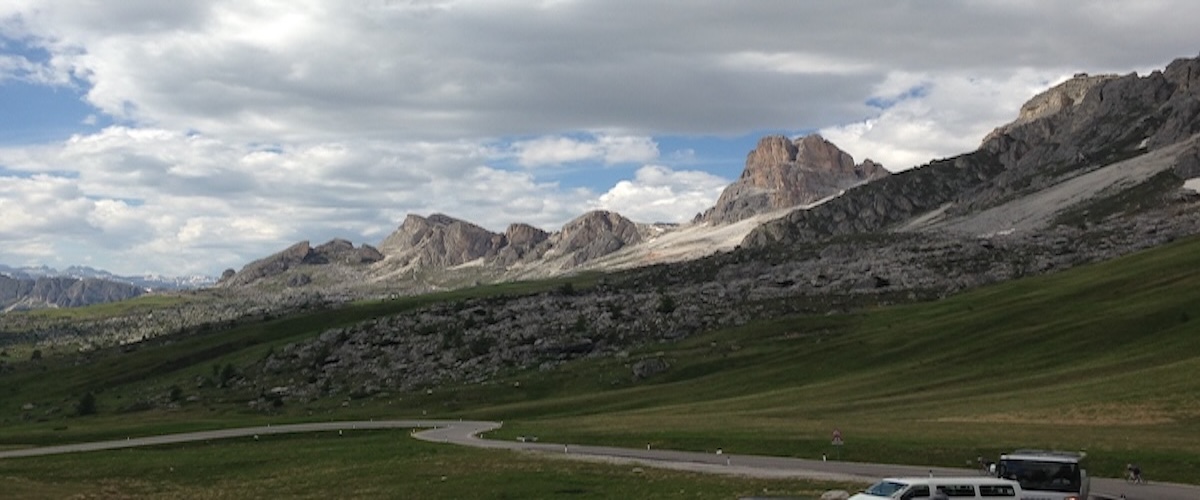
The route is supposedly mostly flat and mostly paved, although there are some sections (like what’s shown in the picture above) where the trail is a little more wild and challenging. But for two or three days (based on how many times you stop or how much you want to do), you’ll see the real Denmark with idyllic fishing towns, nice beaches, and lots of lighthouses while getting in some good miles.

So, I’d say pack up your bike, book a flight, and get over to Denmark. And if cycling the Kattegat Cycle Route isn’t enough to satisfy your cycling wanderlust, you can always ride further north along Sweden’s coast afterwards.


