
Planning for a trip is exciting, especially a cycling trip, where you will get to ride new roads, meet other cyclists, and experience a culture unlike your own, which is true if your trip is international. You might think that you ride a couple of times a week and you push yourself but not always. That said, you’re feeling confident that you can take on a cycling trip.
Those facts, however, prompt you to review the daily mileage and elevation gain for your booked trip and you may start to worry. Instantly, you begin to have second thoughts, and you wonder if you’ll even be able to do it.
First of all, if you are already a seasoned cyclist who rides a mix of hills and flats, most likely, you’ll be okay. However, there are some things you can add to your basic riding regimen to prepare for a challenging cycling trip.
Elements to Think About Before Booking Your Cycling Trip
First things first when it comes to understanding how you should prepare for your cycling trip. This approach applies whether this is your first organized trip or your 10th. Write down the key parameters of the trip and keep them somewhere where you can review them each time you go out for a training ride, such as the following.
- The number of miles per day
- Daily elevation gain for the overall trip
- Number of days the trip lasts.
- Is It All Group Riding (how many cyclists on each trip)
- Is there a time cutoff each day
- Rental bike? How much per day? Do you need to bring anything?
Here’s another important factor to keep in mind. Most bicycle travel companies cater to every level of cyclist. Do you consider yourself a hardcore athlete, more intermediate, or just beginning to get into the sport of cycling?
If the company doesn’t specifically state it has graded levels on their trips and this is a cause of concern for you, email the company and see if they offer them or not. If it doesn’t, you might want to travel with another company altogether.
How Should You Prepare and Train for Your Cycling Trip?
No doubt that confidence is a good thing to have when you are thinking about a cycling trip. The problem is that confidence is not the best way to measure your fitness nor your readiness for a cycling-based trip, and you don’t really want to book your trip for a month from now or three months from now.
Even if you think you are ready to tackle 7 to 10 days of riding long distances and up big climbs because you ride a few times a week, you need to give yourself time to prepare for this type of schedule. According to an article over on the Pirelli website, 6 months of training and prep time is the best approach.
That means you should try to ride three to four times a week and put in 40 to 60 miles each time. Then when the weekend rolls around or an event comes along with decent mileage, you should attempt to ride something even longer. In other words, more time in the saddle equals preparedness.
How Hard Should You Train For Your Upcoming Cycling Trip?
Riding 200-plus miles a week is, of course, a good plan for building up your readiness for your cycling trip, but you don’t want these miles to be overly casual or easy. You should try to focus on quality and intensity so that you are pushing your heart rate and increasing your VO2.
If you are moderate or weak on climbs, try to work more of them in on your rides or strengthen the resistance on your trainer if you’re doing a mix of indoor and outdoor rides. If you feel you are slow on the flats, work in a series of sprints during your rides. The point here is that casual riding at a moderate pace won’t prepare you enough for repeated long days in the saddle.
Other Ways To Prepare For Your Cycling Trip On And Off The Bike
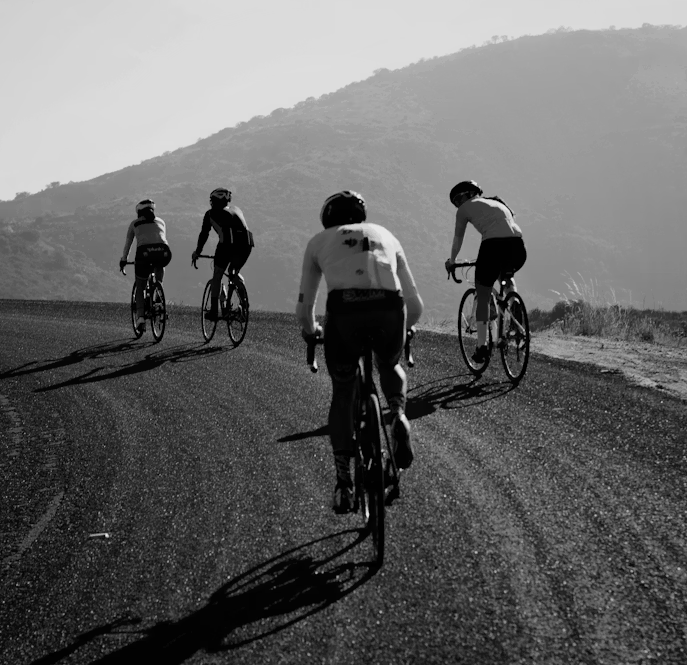
Putting in additional miles as well as improving upon the areas where you feel the weakest is great, but there are other things you can do. If you plan to ride gravel over road, that requires a slightly different discipline. If you don’t ride much gravel, try to find a way to do these kinds of rides.
Another thing to consider in your training is to practice for the type of rides you’ll be doing. If, for instance, you will be riding independently outside of a trip organized by a travel company and it involves camping, this is an area you should practice.
Panniers will add a lot of weight to your bike and will make riding up climbs harder. If you are bringing your own bike, make sure it’s mechanically sound and ready for the amount of riding you’ll be doing and the terrain you’ll be facing.
That is why it’s also important to think about some kind of strength training or workouts off the bike. Work on your mobility, flexibility, and core strength with stretches, yoga, or weights. Lastly, make sure you know some basic bicycle maintenance, such as how to fix a flat, etc. Keep in mind you will also be relying on maps to stay on your route, so knowing how to read the map on your computer or a paper map can come in handy. In other words, be prepared for the worst-case scenario.
Last Thoughts
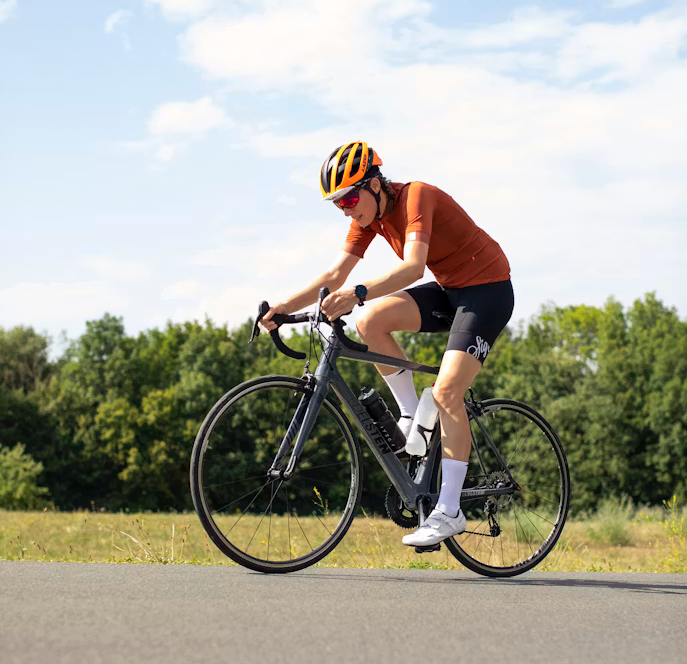
Booking a cycling trip, whether it’s your first or your tenth, is always exciting. But don’t wait until the last minute to prepare and to train for it. Give yourself plenty of time to build up your miles, your climbing strength, your speed, and your overall fitness. The more prepared you are, the more fun the experience will be.
And while you might be itching to leave on your ride in a month or three months, give yourself lots of time to make sure you are prepared. There’s nothing worse than investing in an expensive trip that you are excited to take, then find out once it starts, it was more than you bargained for. You can get there if you give yourself a good window of time, and that confidence you are feeling now about your riding will only increase.

Share this:


