
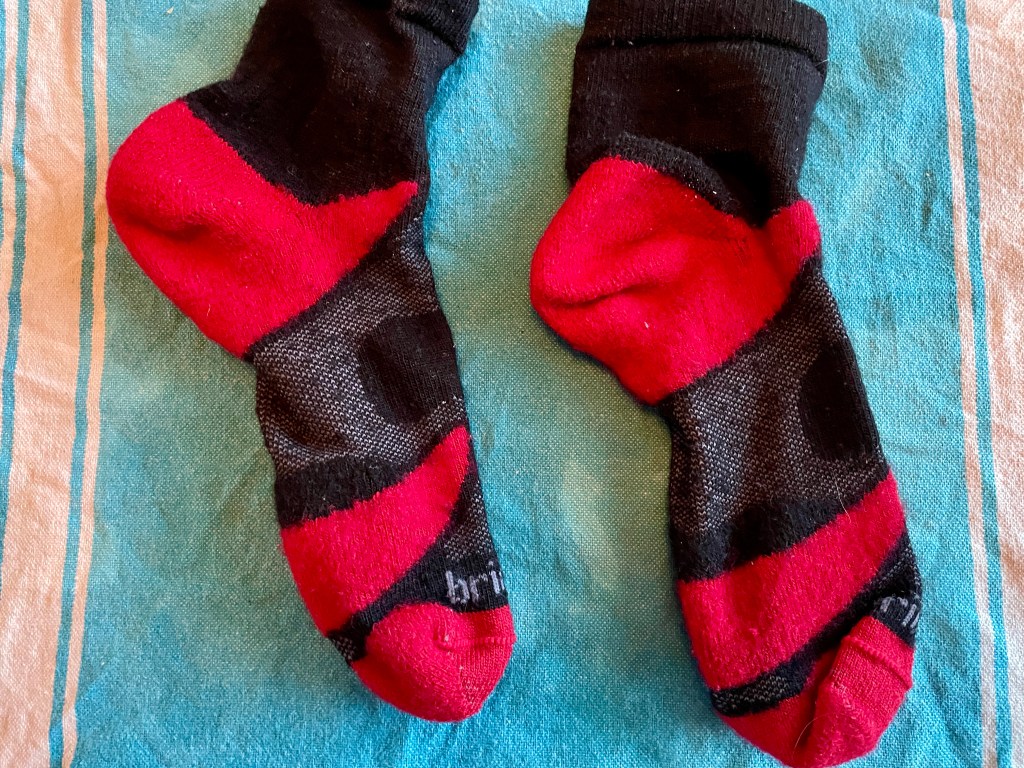
You may disagree, but I feel cycling becomes a different sport in the fall/ winter months. You may ask why? You might think “You’re riding your bike the same way as during the warm months.” That’s true but the difference is you have to battle rain, cold, wind, etc. So, it’s important to have the right apparel items to ride comfortably and efficiently.
And one area of your body that will suffer greatly from cold exposure is your feet. Cold feet on a ride are the worst because once your feet are cold, they seem to stay that way. One way to confront that problem is to wear wool socks.
Why Wear Wool Socks for Fall/ Winter Cycling?
When you are exercising, your feet sweat a lot more than you think. Socks made for cycling during the warmer months have cotton and synthetic materials built in, such as polyester and nylon. They wick moisture away from your feet to keep them dry. In fact, some cyclists even wear lighter wool (specifically merino wool) socks in the warm months to take advantage of those wicking properties.
Generally, though, wool socks, especially merino wool, should keep your feet warm and dry. That warming effect is enhanced if you wear toe covers or shoe covers (“booties”). All three create an insulating barrier against the cold. According to an article over at Bicycling.com, wool socks are ” highly insulating, absorb water without feeling soggy, and have natural moisture-wicking properties.”
Other Materials Used for Fall/ Winter Socks
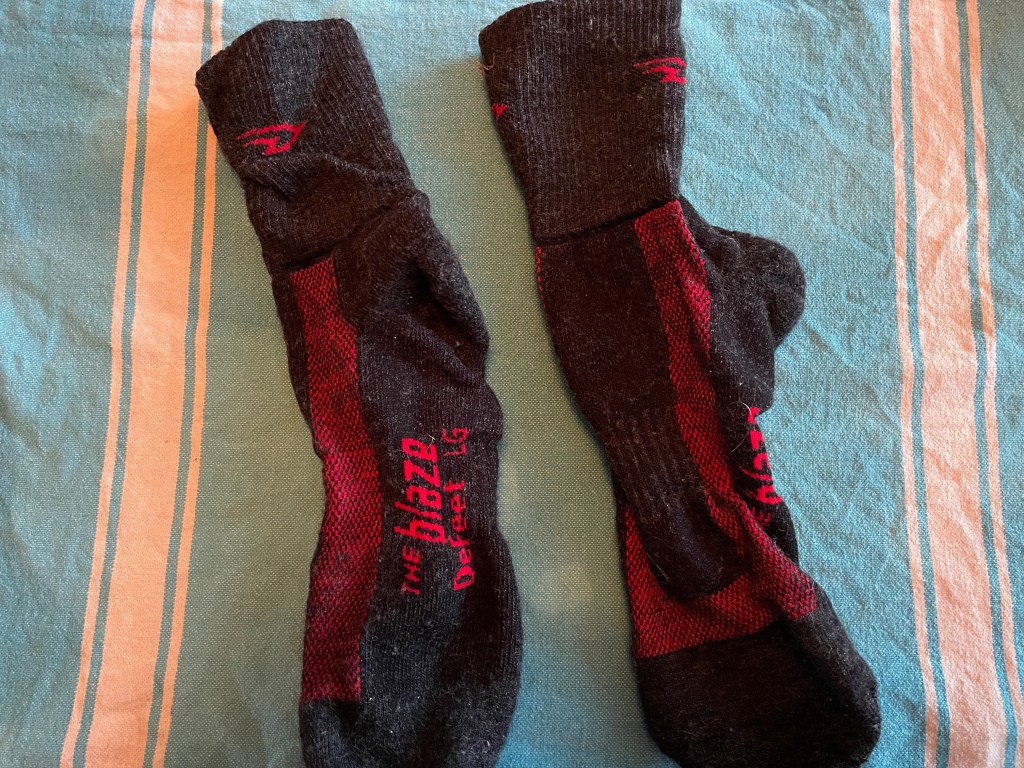
While wool is the go-to material for fall/ winter riding, fall/ winter cycling socks are also made with synthetics. The reason for that is some cyclists don’t like wool or may even have an allergic reaction to it.
Wool socks also come in different thicknesses. I’ve found the thicker the sock, the less effective they are. Thick socks can also make getting your shoes on more difficult and make them feel tighter and less breathable. They also may be itchy and make your feet colder and even sweat. I would recommend a medium thickness.
That said, cyclists can choose fall/ winter socks made from these other materials that have no wool in them.
- Polyester. This synthetic is used in making fleece garments and other apparel. Polyester socks are softer and wick moisture just as well. However, if they get wet, they may lose their insulating ability
- Nylon. This synthetic can also be soft and offer longevity. It won’t absorb too much water and works to shield your feet from the wind.
- Elastane. Yet another synthetic material, it is used in lycra and spandex. Elastane allows socks and other apparel to stretch. It breathes and wicks moisture, but doesn’t keep you warm as polyester or wool. Mainly, it helps sock retain their shape after many rounds in the washer and dryer.
All Fall/ Winter Socks Are Not the Same
The marketplace is inundated with cycling socks for the fall/ winter season, so how do you choose the right one? Well, that is a matter of preference. Some cyclists like wool and some like polyester.
I would suggest trying them out at your local bike shop, REI, or some other outdoor apparel store. Or, just buy a pair of wool and polyester socks. Chances are you’ll use both anyway as the conditions through the cooler months can vary.
The cost for a pair of fall/ winter cycling socks runs anywhere from $20.00 up to $40.00. You don’t necessarily have to buy socks from a specialty cycling apparel manufacturer. In fact, that will definitely cost you more.
Last Thoughts

Before you head out on a fall or winter ride, make sure to treat your feet well as they are what will motivate you through a ride. Once your feet are cold, the enjoyment factor of cycling rapidly deteriorates.
Choose a good quality, insulating sock so you and your feet will be happy and you can concentrate on fun and enjoy fall roads like the one above.


 Bicycle Day Trips - Bicycle Travel, Gear Reviews, Photography, Cycling News, and Commentary