

Today is the day we celebrate all those beautiful, strong, and smart women in our lives and the wider world. Other than mothers and role models to their children and being reliable partners to their mates, women do so many more things.
Women are writers, thinkers, scientists, and explorers. Unlike for pro-men racers, women have had to fight and struggle to make their presence known, to make their mark in the world when it came to voting rights, abortion rights, and many other issues. Nowhere is their struggle more clearly illustrated than in the pro ranks of cycling.
The Hard Track for Women in Pro Cycling
The trek to being a pro seems long and hard-earned. And once a rider reaches the pro ranks, recognition, and salaries are low unless you win a big event like the Tour de France. Nowhere is this more true than in Women’s pro cycling.
And that fact is quite sad. I’ve done some rides where women riders were involved and they rode just as hard (if not harder) than some men I’ve ridden with.
That fact alone makes it tragic that pro-women cyclists (and women athletes in general who perform at the pro level in their sport of choice) do not get the recognition they deserve.
Race Sponsorship for Women’s Pro Cycling
Unlike in other sports where corporate sponsors and other advertising support teams, pro cycling relies solely on sponsorship. Those sponsors often pay riders’ salaries, supply the equipment, put team infrastructure in place, and help fund races.
All this cost can make for a hefty price tag season after season. That’s why so many teams fold after a year or two of operation, and it’s also why so many riders frequently change teams. And if you’re a female pro cyclist, the challenges can even be more severe.
The Costs for Funding Pro Cycling Races
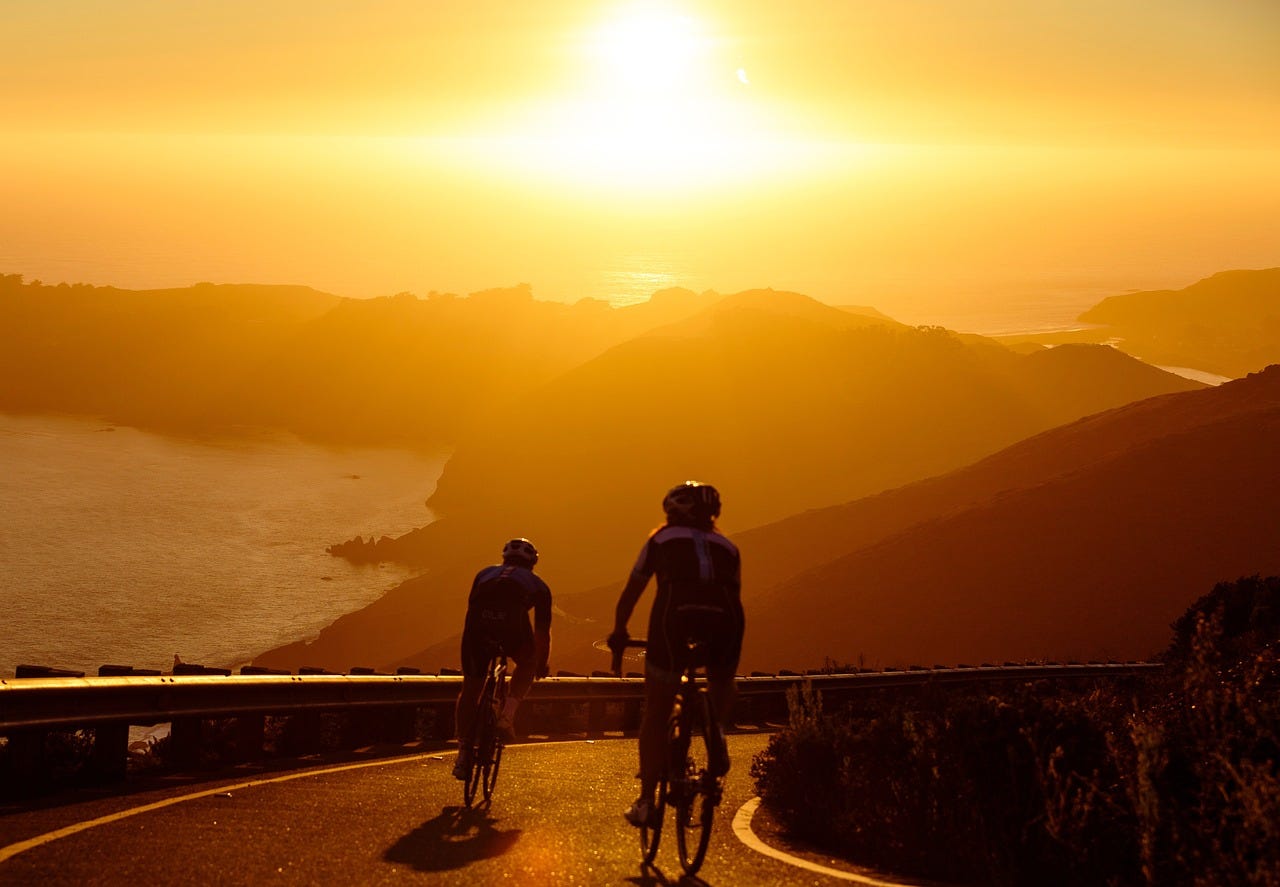
While things are slowly improving on the female side of the sport, women still make lower salaries than male pros. But the biggest frustration female pro riders face is the lack of funding for races and media awareness. Women’s races are also shorter than the men’s races and prize purses are not as large, according to an article recently published on the Cyclist website.
Funding Costs High for Both Male and Female Pro Races
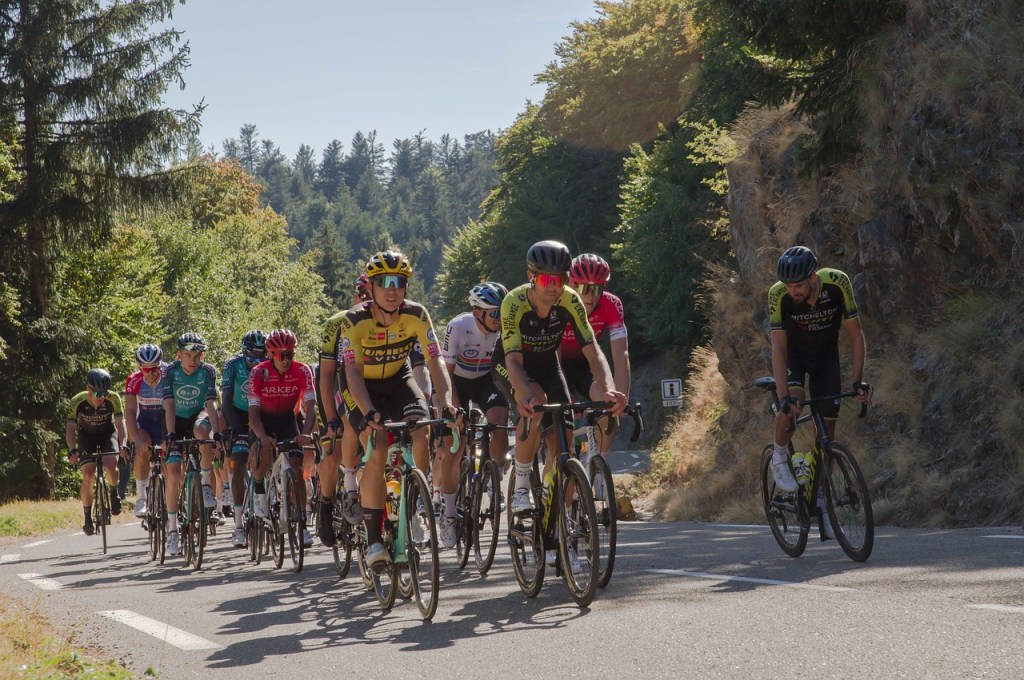
The costs to fund races for both the men and women pros are astronomically high. According to Cyclist magazine, Peter Hodges, the organizer for all the races, states that it “costs ‘in the low millions’ to hold both the men’s and women’s races each year…with most going on safety. The policing bill for the men’s race alone is more than £300,000. Accommodation and TV production costs (footed by SweetSpot) are also significant. For Lidl-Trek (both the male and female pros), running both WorldTour teams costs between €15 and €45 million…”
For female pros when their races are canceled, it makes finding sponsors difficult because they feel women’s pro racing is unstable. That’s why instead of funding races for both men and women, many sponsors will opt to fund just the men, even though the women’s pro circuit is less expensive and sometimes attracts a larger audience.
According to Bruno Savona, sponsorship manager for Lidl-Trek, that decision comes down to three main factors: team reputation, exposure, and the possibility of getting a big name in cycling to be a spokesman for the sponsor.
This unfortunate reality means the “Women’s Tour has around 65% of the budget of the men’s…because the women’s race is shorter…Women can [also] expect lower prize money – the pot for this year’s Paris-Roubaix Femmes, for example, was almost half of the men’s – and lower salaries, despite the introduction of a €32,102 minimum wage.”
Media Coverage for Pro Women’s Cycling
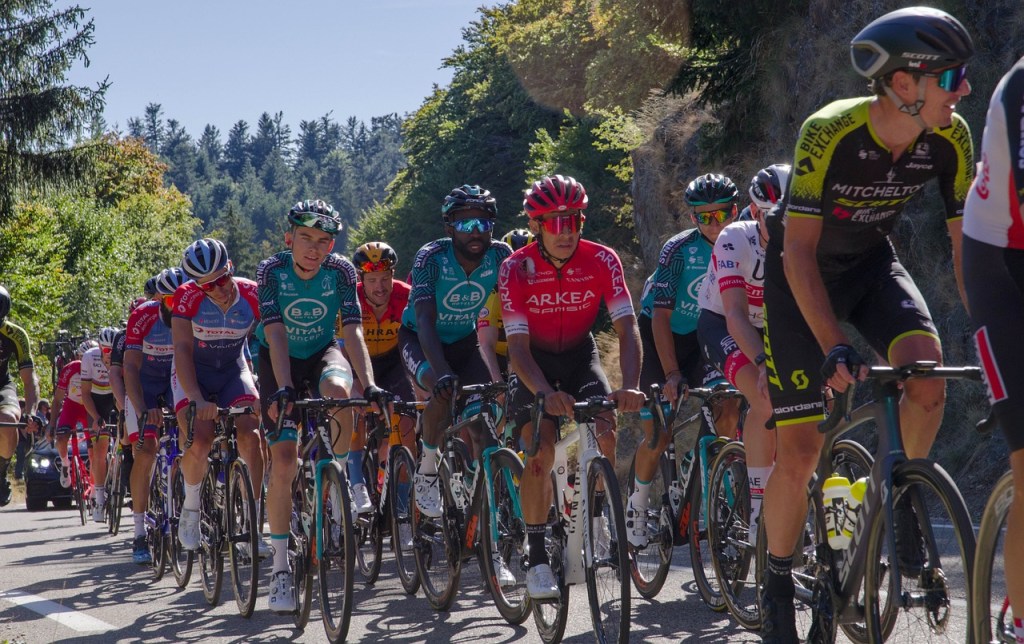
The other sad reality is that pro-women’s cycling does not get the same level of media coverage that the men’s races do. While the men’s circuit has had “TV programmes such as Welcome To Wrexham and Netflix’s Drive to Survive and Tour de France Unchained…,” no such programming has featured women’s cycling.
Again, I think this is a large injustice. The drive and desire to be a pro athlete (no matter the sport) is hard enough. Imagine doing all that work to become a pro athlete and then learning the organization you are part of can’t support you financially so you can do what you want and are meant to do.
Last Thoughts
Pro cycling for both men and women is currently facing funding problems. Races become more expensive to host every year, so many sponsors pull their funding. While the men’s side of the sport continues to get more media coverage and riders are paid higher salaries, chances are that men’s pro cycling will survive.
The women’s pro circuit, however, is another story. Sponsors feel there isn’t as strong an interest. The media and internet coverage may or may not be to blame for this. Whatever your view is about the women’s pro peloton, they work just as hard as the men to get where they are. Therefore, they deserve the recognition.


 Bicycle Day Trips - Bicycle Travel, Gear Reviews, Photography, Cycling News, and Commentary