
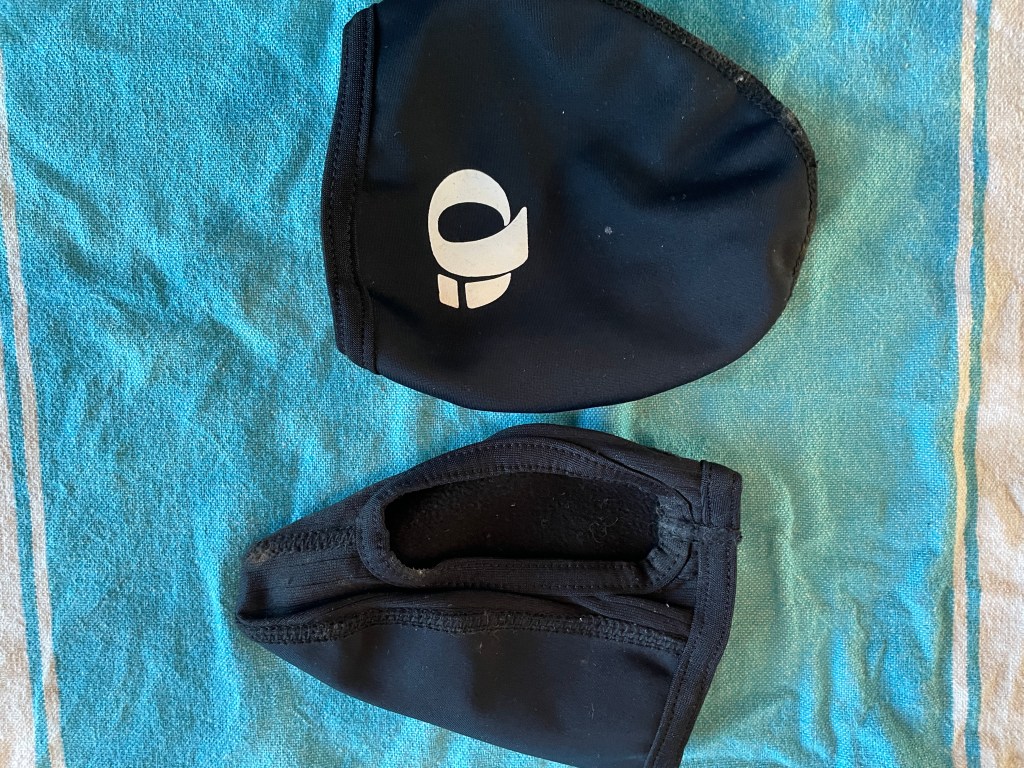
One of the biggest struggles cyclists face while on a late fall or winter ride is to keep their feet warm. You would think your legs are moving, so it would follow that blood would be flowing not only through your legs but also to your feet. Unfortunately, that logic just doesn’t apply.
Remember that your feet are tucked into tight cycling shoes with zero flex. Even though you are using your feet to propel your bike down the road, they are not moving inside the shoes. Plus, your feet are close to the road and get heavy wind exposure. While not perfect solutions, thermal toe warmers and shoe covers work to keep the wind off your feet so they stay warm.
What’s the Purpose of Toe Warmers?

Cycling shoes are expressly designed to keep your feet cool in the summer, so they are vented to allow for airflow. In the winter, of course, vented cycling shoes pose a problem so on a cold day your feet get cold quickly. Heavy wool socks can help, but that is usually just temporary.
The purpose of toe warmers in cycling is in the name. They function to keep your toes warm that get the most exposure on a winter ride. They are usually an add-on when heavy wool socks aren’t enough to keep the wind off.
Toe covers work best in the 45 to 35-degree range. Many cyclists, in addition to wearing thermal socks, place plastic sandwich bags around their feet before putting on their cycling shoes. Some cyclists also put tin foil over their toes. The last option (outside of using shoe covers) is Hothands toe warmers which last up to 8 hours. They work best placed on the outside of the shoe and inserted under toe warmers.
Why Cyclists Opt to Use Toe Warmers Instead of Shoe Covers?

There are a few answers to this question. The first and most obvious response is cost. A pair of toe warmers can be had from $15.00 to $30.00 like the ones shown here on the Pearl Izumi website. And once you have a good pair of them, toe warmers should last you many seasons. That depends, of course, on the amount of winter riding you plan to do.
The next answer is toe warmers aren’t bulky and are easy to put on and take off your shoes. The opening is usually large and wide enough that the toe warmers fit over your cleats and won’t interfere with clipping in your pedals. Plus, most cyclists feel that combined with wool socks and the other warming tricks mentioned earlier that toe warmers are enough.
What Are Thermal Shoe Covers?
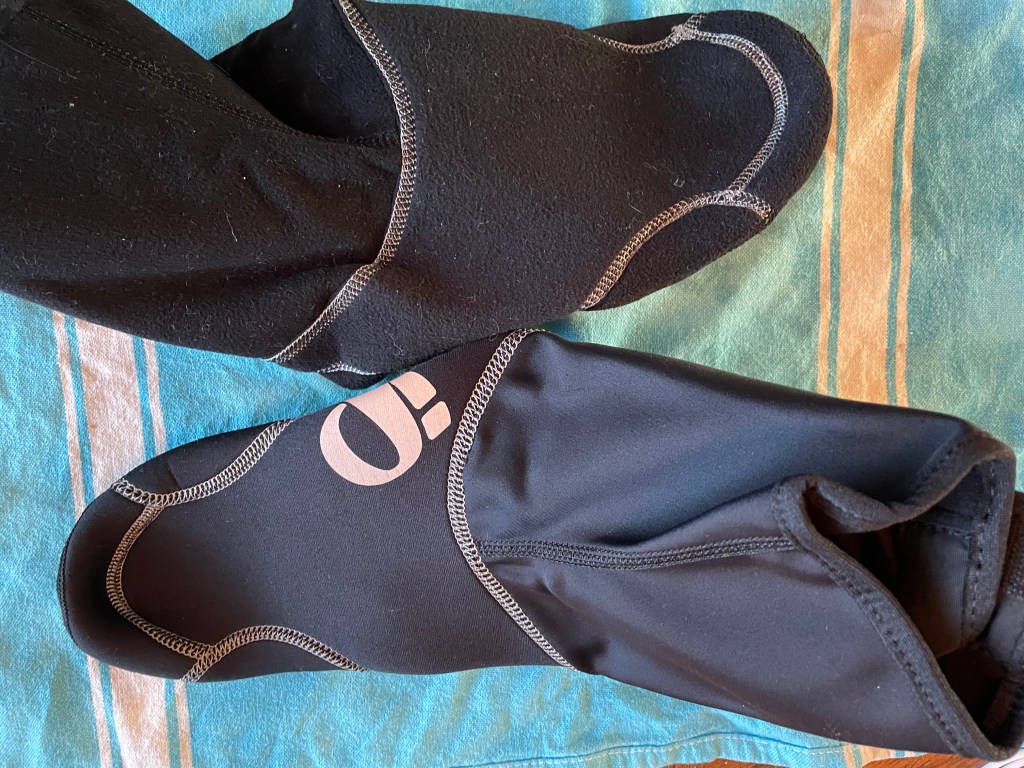
Thermal shoe covers are a completely different solution against the cold versus toe warmers. They fit over the shoe and go halfway up your leg much like an external pair of socks. They also have a cutout for your cleats and (in the case of mine) either have a velcro or zippered closure system.
Thermal shoe covers are heavier and bulky and best work on days in the 30s and below. Of course, for extra insulation, cyclists will pair them with wool socks, plastic bags over their socks, or the Hothands warmers. The most significant difference, though, is the cost. They can start at $30.00 and go up from there like the ones shown here on Pearl Izumi.
Last Thoughts
The experience of having cold feet on a winter ride is not fun. Once your feet are cold, it seems like the other parts of your body follow suit pretty quickly. If you use toe warmers or shoe covers, then chances are you’ll be able to stay out on your ride a lot longer. But that depends on your tolerance to the cold to begin with.


 Bicycle Day Trips - Bicycle Travel, Gear Reviews, Photography, Cycling News, and Commentary