
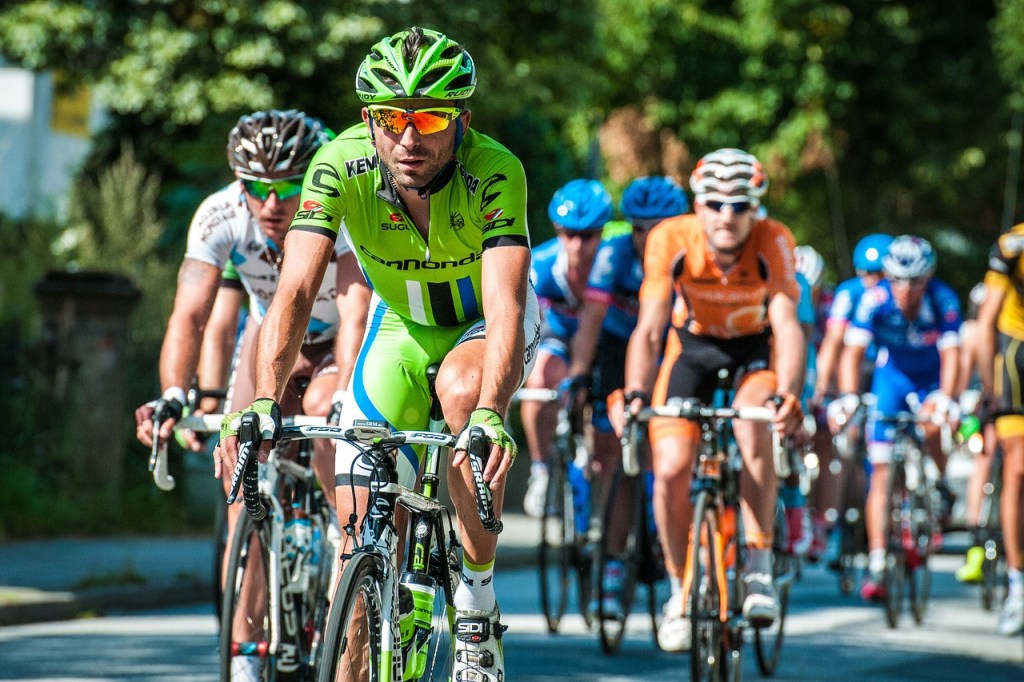
If you are a road cyclist, then maybe you have other interests outside of doing everyday rides and traveling to ride in various places. Perhaps you also like to pin on a number and race?
If that’s the case, maybe you like to watch (or at least read about) pro racing. If that’s the case, right now is an excellent time to be a fan of pro cycling because the UCI Pro Tour season kicks into high gear with the Spring Classics that take place during March and April.
What are the Spring Classics?

The Spring Classics (some of them known as “monuments”) occur around the same time every year, which is March through April. A couple of the races have existed since the late 19th century. There are currently nine one-day races on the pro calendar that happen during the spring months, all of which are not officially sanctioned as UCI events.
Five of these races are called “monuments” because they are considered the oldest, hardest, and most prestigious races of the spring classics. These nine races fall into three categories: Italian Classics (Strade Bianche and Milan-San Remo), Cobbled Classics (E3 Harelbeke, Gent-Wevelgem, Tour of Flanders, and Paris-Roubaix), and the Ardennes (Amstel Gold Race, La Fleche Wallone, and Liege-Bastogne-Liege).
The “Monuments” are Monumental Bike Races

While all pro races can be classified as difficult, the spring classics test a rider’s abilities fully. Racers have to be strong, good climbers, and tough, especially when they ride over cobblestones, which can be slick when wet and vibrate every bone in one’s body.
There are, as mentioned already, five “monuments,” four of which are held in the spring. The last one, which is the Giro di Lombardia (Tour of Lombardy), occurs toward the end of the season in October and takes place in Italy. The other four races, which are part of the spring classics series, are Milan-San Remo, Tour of Flanders, Paris-Roubaix, and Liege-Bastogne-Liege.
Paris-Roubaix is the Crown Jewel (“Queen of the Classics”) of the Spring Classics
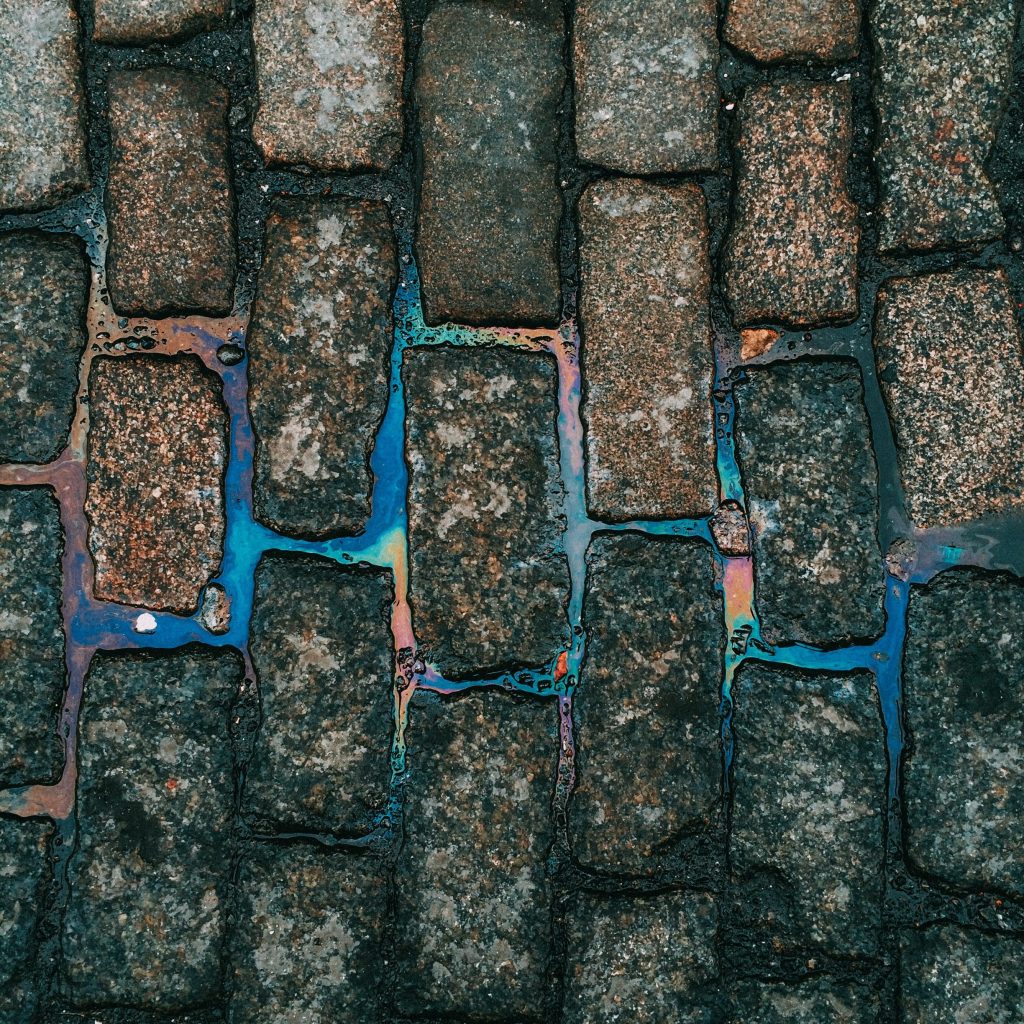
Of the five “monument” races, Paris-Roubaix is probably the hardest and the most prestigious one-day race. It is slightly younger than Liege-Bastogne-Liege, which started in 1892 with a start date of 1896. The race is also known as the “Hell of the North.” It is so named by the media for the high presence of World War I era cobble the racers have to ride over and the rain and mud.
During the race, it is not uncommon for riders to suffer many flats, for their bike frames to break, and for frequent crashes. That’s why Paris-Roubaix is one of the most dangerous races on the UCI calendar, which is why pro teams usually have specialty bikes built just for this race. Not only is the weather a factor, but some of the cobblestone sections are uneven.
The race, usually held the second Sunday in April, occurs simultaneously with Easter. That has caused some controversy in the past, especially with the clergy who believed people would skip Easter services to participate in or watch the race.
Paris-Roubaix is 257.2 kilometers in length ( or 159.8 miles) and ends with a loop around the Roubaix Velodrome. The velodrome hasn’t always been a part of the race. In fact, it wasn’t used until almost the mid-20th century in 1943. For all the reasons mentioned, Paris-Roubaix is often called the “Queen of the Classics.”
Last Thoughts

Any of the one day races that are part of the spring classics are an amazingly hard way for a pro rider to begin his season. That explains why many pro riders opt out of Paris-Roubaix because of its extreme brutality on the body and mind.
While the pros begin their season early with races in January and February with races in Dubai and Australia, the spring classics are the first races of the European pro cycling season. Many riders use these races as preparation for Le Tour de France.


 Bicycle Day Trips - Bicycle Travel, Gear Reviews, Photography, Cycling News, and Commentary