It’s interesting to note that so many cycling manufacturers that became iconic, well-known brands came from other disciplines and business areas that may or may not be related to bicycles. Look Bicycles (known today as Look Cycle International) is definitely one of those brands.
The Look Bicycles Story

Although the company was founded in Nevers, France in 1951 and made components for bikes and its own high-end bicycles, it wasn’t until a skiing accident by its founder, Jean Beyl, that Look’s fortunes changed for the better.
Beyl felt his accident stemmed from the fact his skis were binded to his feet with shoelaces. From this incident, he invented what he calls an “anti-fracture” ski binding in 1963 called the N17, which would be the impetus and precursor for the clipless bicycle pedal.
In 1983, the company was sold to the Bernard TAPIE Sport group. It partnered with French pro cyclist Bernard Hinault. The company’s visual identity of red, yellow, blue, and white squares was inspired by the French painter Piet Mondrian, and the Look name came from the American magazine of the same name.
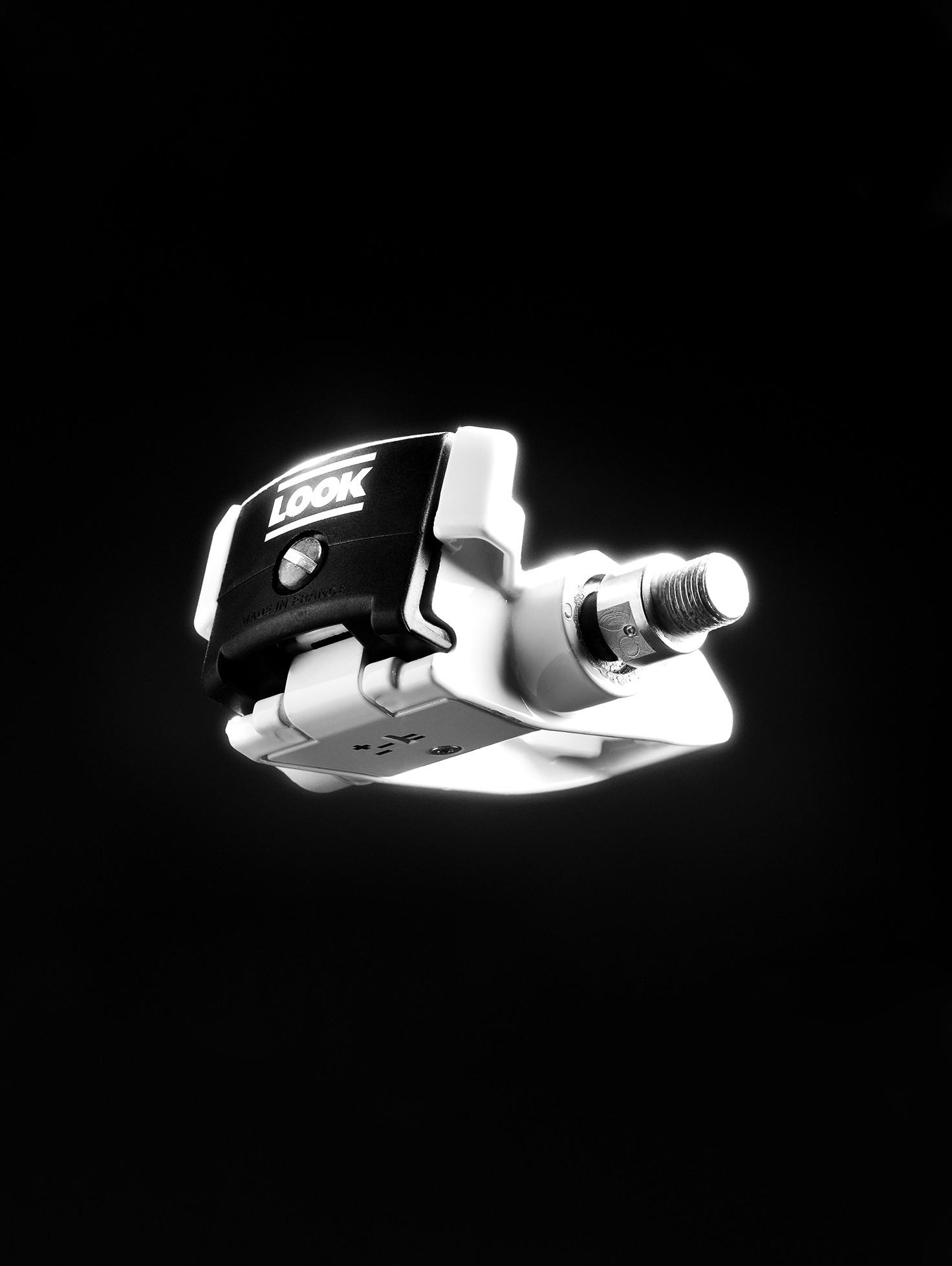
Invention of the Look PP65 “Automatic Pedal”
1984 marked a major first in the world of cycling when Looked developed the PP65 pedals based on its ski-binding technology of the time. It was first used by Bernard Hinault in the Tour de France while other riders still used toe clips.
While he did crash during the race, Hinault stated his accident would have been much worse had he not been using these pedals. That year, Hinault also won the Tour.
Look and Carbon Bicycle Frames
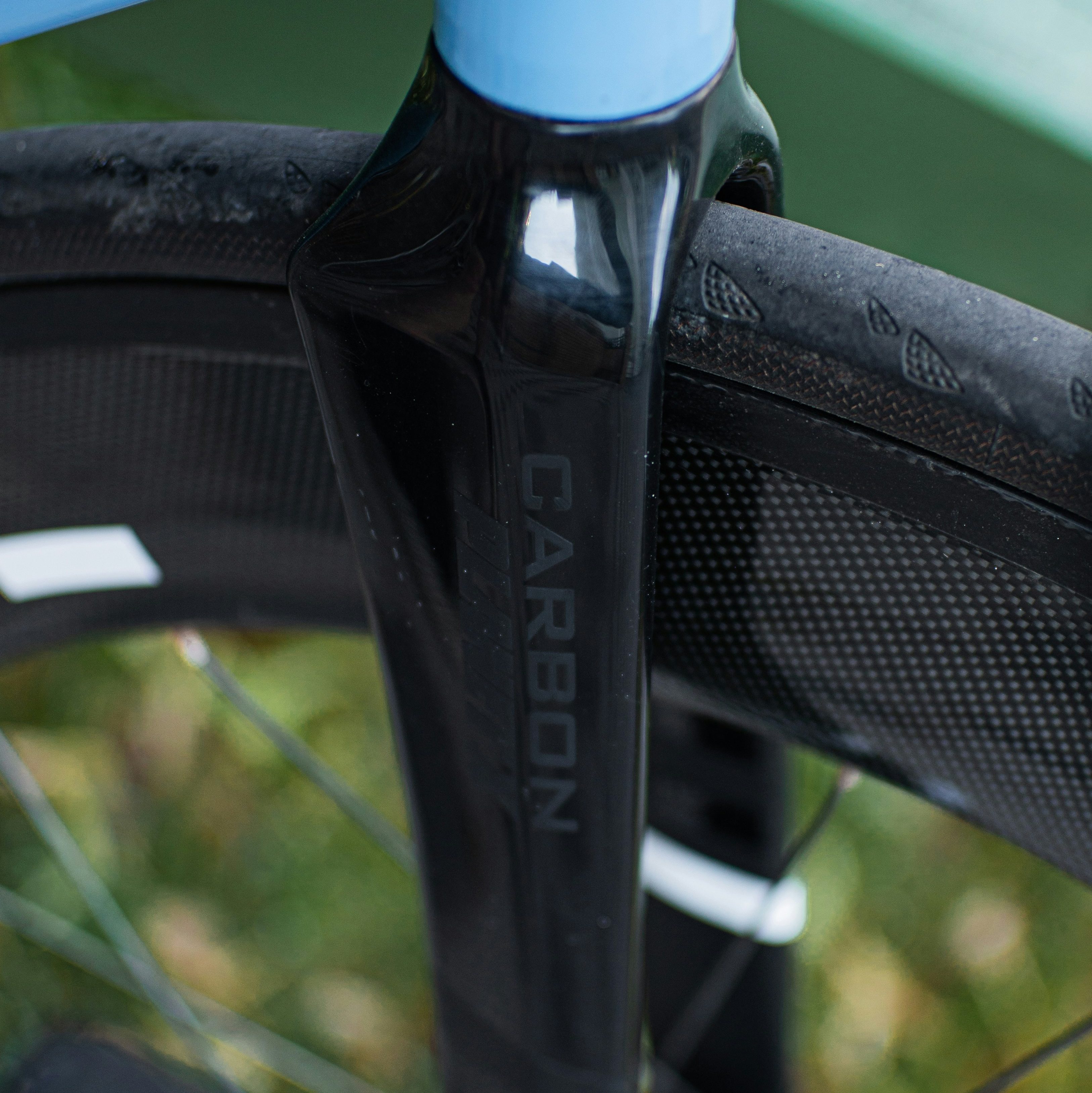
1986 became another important year for Look when it utilized Carbon for its bicycle frames. At the time, little was known about this material and how it would perform on a bicycle.
The KG86 frame, as it was known, brought “more stiffness and improve[d] the handling of the bike.” While Hinault and Greg Lemond both rode this bike in the 1986 Tour de France, it was Lemond who rode it to victory.
Look continued to develop its carbon bicycle technology into the 1990s. At the same time, it developed the first-ever bicycle computer. It was called the MAX one and it allowed “…the measurement of the power generated and energy expended by the cyclist for the first time, as well as other functions such as ride duration, instant speed, averages and maximums, [and] daily distance…“
Frames, Pedals, and Other Components Revolutionize Cycling

Between 1994 and 2012, Look not only continued to develop and evolve its bicycle frames and pedals, it also moved into the component area with a focus on carbon saddles, stems, and saddle posts.
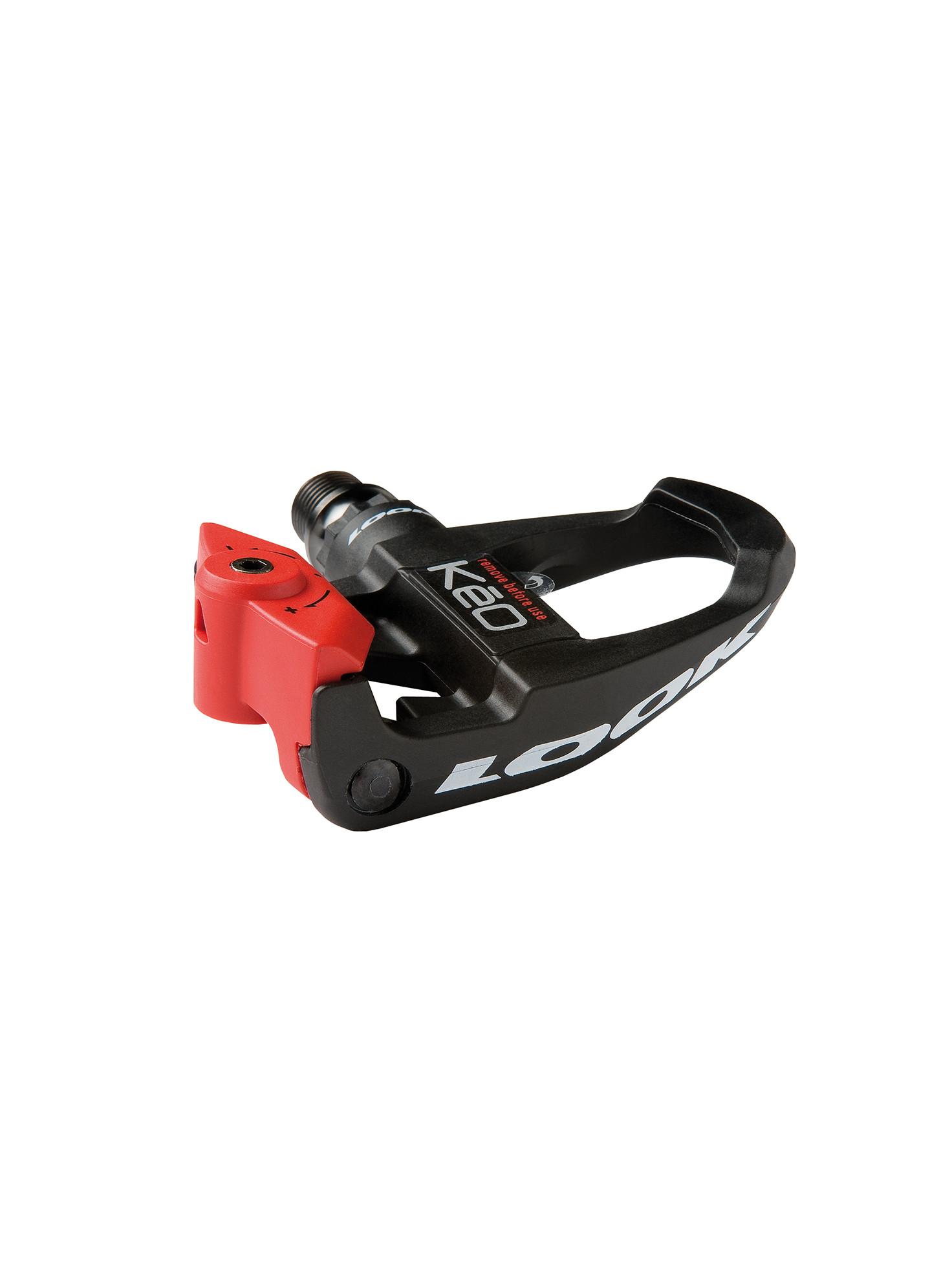
These innovations brought the company more recognition and more victories in the pro peloton. The two biggest improvements came in the company’s development of a full carbon pedal with a new cleat system called the “KEO,” which weighed in at 95 grams.
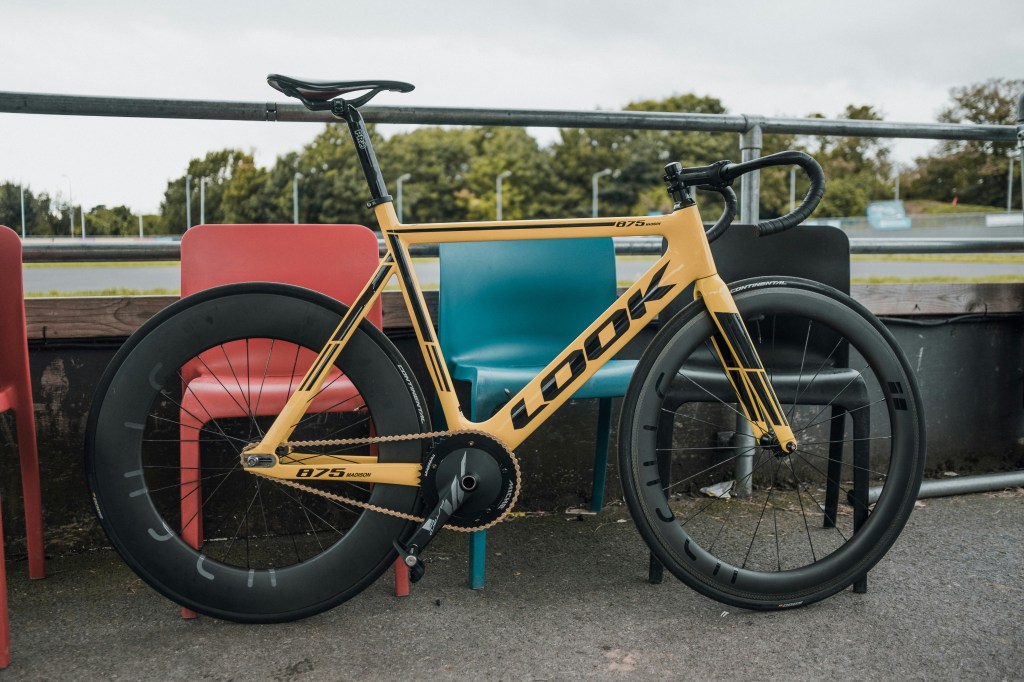
Then the second improvement came in 2012 when Look developed the L96 track bike for the London Olympics. The company states that the bike’s “optimized aerodynamics and the integration of numerous components specifically designed for the frame (ZED track crankset, stem, handle bars, saddle clamp)” made it an unbeatable force. 13 medals were won during the Olympics and the Paralympics.
Component Frame Integration and Lighter Road Bikes
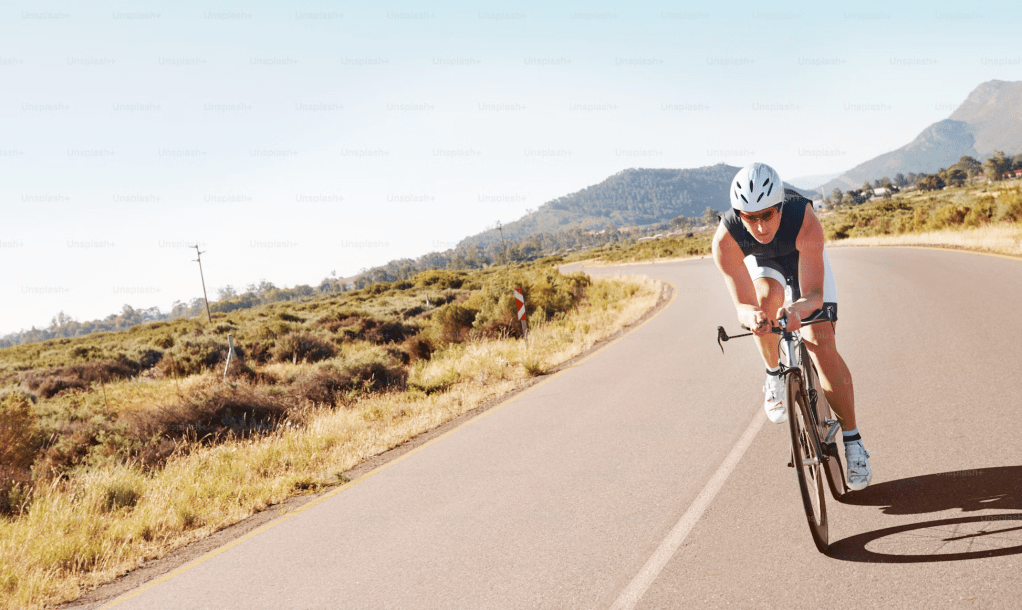
As time went by, the focus of the cycling industry shifted. While it stayed grounded in the idea of making lightweight bikes, the idea of attaching components developed by a third party to a bike is an idea that, even today, companies like Look and others have tried to move away from.
Look started its component integration journey in 2014 (influenced, most likely, by its success at the 2012 Olympics) with its 795 Aerolight road bike. Front brakes, stem, saddle post, and crankset were all engineered by the company and became a part of its bikes.
This step carried the bike builder forward in further frame design in 2019 when Look built its first bike to support electric assistance that is “tailor-made to integrate a battery as well as a motor, without hindering the performance or the design of the bike.”
And with its 796 Monoblade time trial bike, Look found a way to trim even more weight from a bicycle frame. It created “a fork with an ultrafine steerer tube measuring 19mm, and a head tube of 25mm (minimum authorised by the UCI).”
Last Thoughts
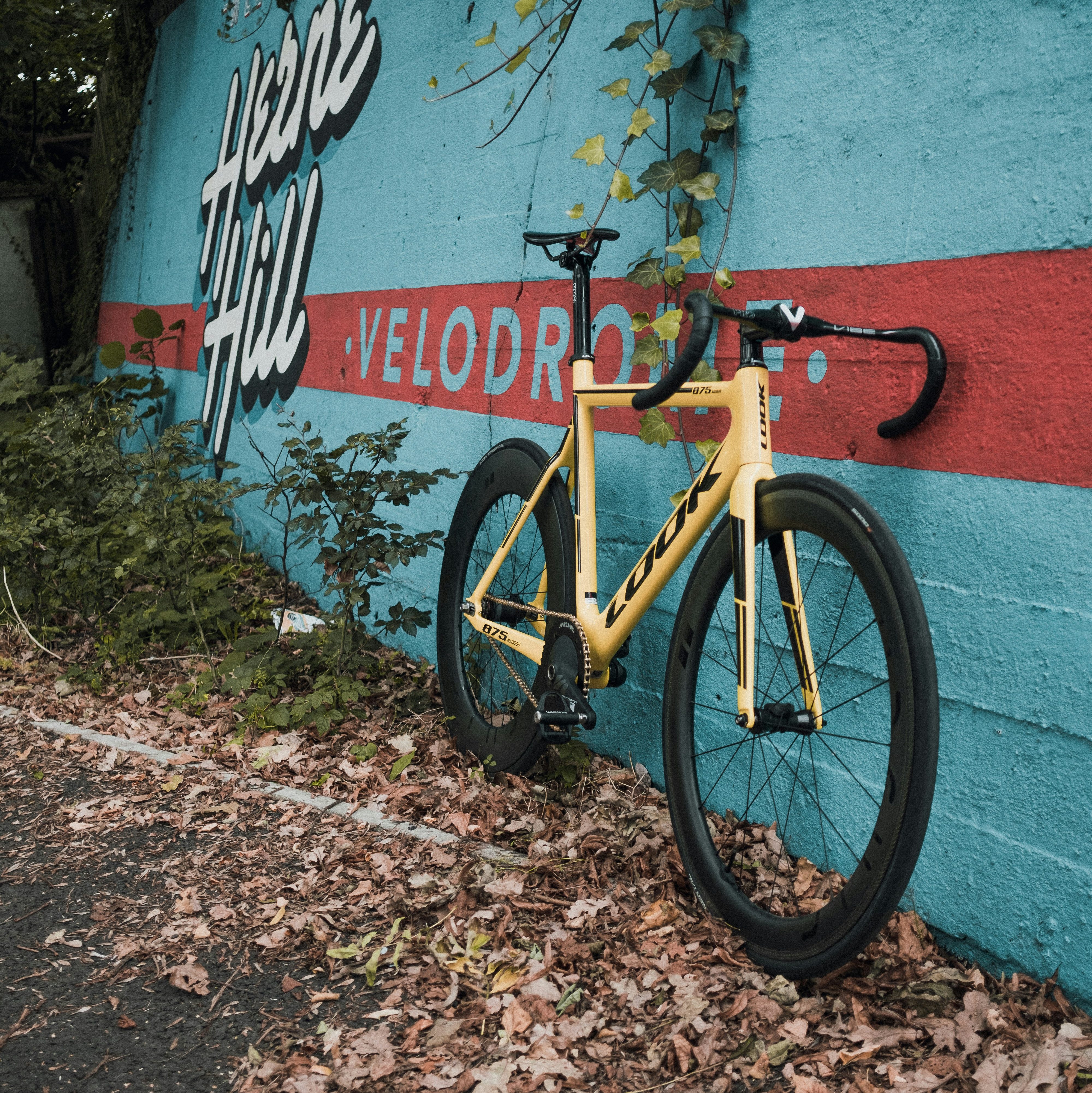
Look Bicycles is a brand that views the whole of cycling instead of just exploring one specific area to give a rider the best experience. For 74 years, that’s what the company has done. The company has evolved with the changing times and remained relevant among everyday riders and the pro peloton.
The last update to Look’s story on its website was for 2019. But based on its history of innovation, I’m sure Look will continue to change, engineer, and develop alongside every other bike builder in the industry. More, as they say, is sure to come.


 Bicycle Day Trips - Bicycle Travel, Gear Reviews, Photography, Cycling News, and Commentary