

For some bicycle manufacturers, their entry into the world of cycling wasn’t born from a direct link to the sport. It was through other means unrelated to what they ultimately ended up focusing on. But not many bicycle manufacturers can claim success in many sports
That is definitely the case for Scott Bicycles. The company initially made products for the sports of skiing and motocross, but it was these forays that brought it, in a big way, into the cycling industry. Today, it succeeds in making products for cycling, motocross, skiing, running, and it even dabbles in active travel.
Brief History of Scott Sports

Scott Bicycles (or Scott Sports as it is called today) was founded in 1958. Ed Scott, the company’s founder, created the first tapered aluminum ski pole. Before that, ski poles were made from bamboo and steel. By 1970, the company created the first goggles for motocross riders, then it also made boots, grips, and other motocross accessories.
It wasn’t until 1989 that Scott officially entered the world of cycling when it developed the first set of aerodynamic handlebars. They were used by Greg Lemond in his Tour de France victory in the same year. From there, the company created the first suspension fork for mountain bikes in 1991, then a few years later, in 1995, it developed its first carbon mountain bike frame.
Scott Shifts to Spend More Time Building Bikes

While Scott continued to make skis and outerwear for the skiing industry as well as develop goggles for motocross, it began to spend much of its time on bikes. By 2003, the company had developed the first full-suspension mountain bike called the Genius, which was ridden to victory in the World Championships. That victory gained Scott lots of media attention.
In 2007, Scott shifted back to bicycles in a big way. It developed its first carbon road bike called the Addict. At 790 grams, the Addict was considered the lightest road bike available. It had an integrated seat post and a slim carbon fork. The company’s use of carbon, in fact, influenced its next line of skis, the Cusair.
Between 2011 and 2012, mountain bikes again became the focus. Scott developed twin loc suspension where a rider could seamlessly switch travel modes from his handlebar. It also created the first E-bike and 27.5 wheel sizes for mountain bikes. These developments led Scott to its ITD ProTec Technology division where it made abrasion resistant fabrics from carbon and ceramic materials.
Scott Sports & Bicycles in 2017 and Beyond
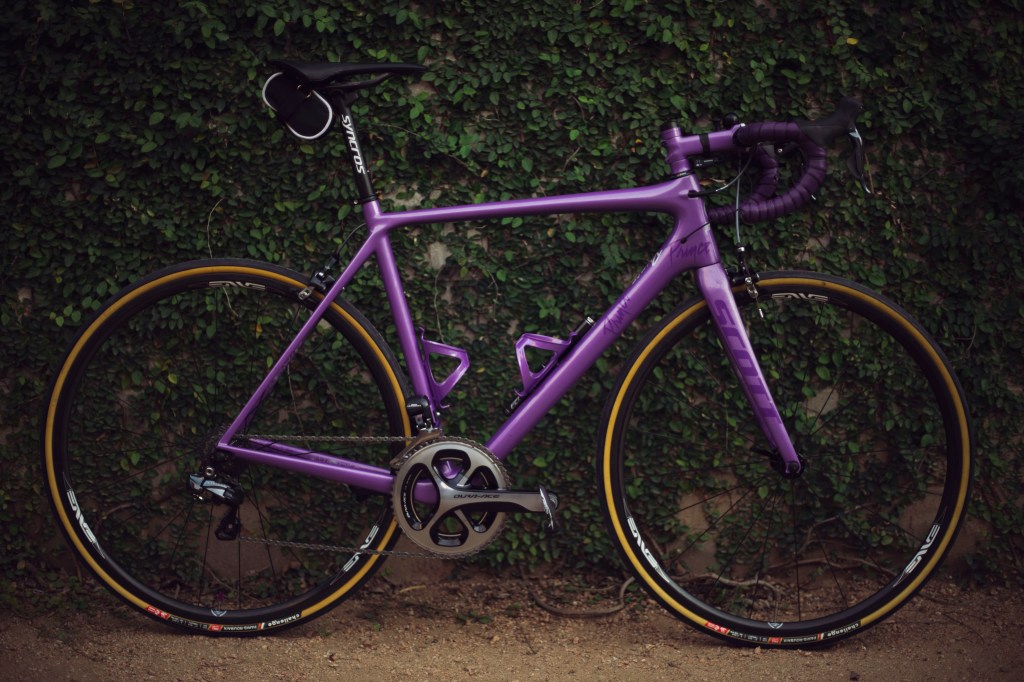
As the years progressed, Scott continued to make award-winning and innovative products in cycling, skiing, and motocross. Its mountain bikes were ridden to countless victories on the world mountain bike stage.
Scott’s road bikes, while not the company’s primary focus, also continued to garner recognition by the cycling industry. In 2017, the company released its FOIL DISC road bike. At the time, it was the lightest Aero road bike with disc brakes on the market. All these successes allowed Scott to build a new factory in Givisiez, Switzerland in 2019.
Last Thoughts

Today, Scott Sports has evolved into a multi-tiered company. It not only manufactures and sells bikes but continues to also focus on skiing, motocross, running, and cycling. The company also sells its own line of apparel and accessories. But it doesn’t stop there for Scott. The company branched out into the world of active travel with trips to select destinations.
Obviously, all these areas of exploration have made Scott a secure company and have allowed it to succeed on multiple fronts. I think Scott Sports will be one of those companies that continue to be successful in any sport it wishes, which is smart business in a rapidly changing world.


 Bicycle Day Trips - Bicycle Travel, Gear Reviews, Photography, Cycling News, and Commentary