

As a bicyclist, late spring and the summer months are my favorite time of year. The days are longer and mostly sunny with temperatures in the 80s. Mild summer days, though, eventually turn sultry and hot with temperatures soaring into the 90s. On top of the temperature, add in high humidity, especially in late June and lasting through July and August. When that happens, I find being on a bike ride is harder.
The dangers of heat stroke, fatigue, nausea, and dehydration are highly possible. And it doesn’t matter how fit you are, anyone who exercises in extreme heat is subject to the forementioned dangers. However, there are some things you can do if you ride or train in high heat conditions, according to an article over at Carmichael Training Systems (CTS).
What Does Heatstroke, Exhaustion, and Dehydration Look Like?
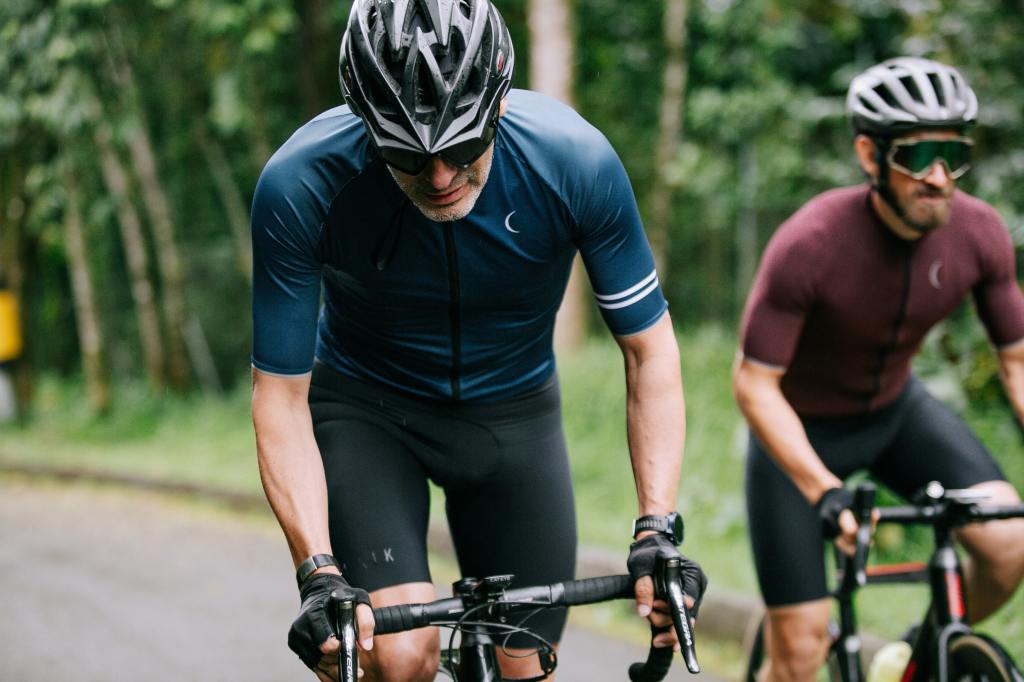
Severe heat exposure is not only a serious medical condition but can also lead to death and should be taken seriously. According to the Mayo Clinic, heatstroke or overheating happens after “prolonged exposure to high temperatures or physical exertion in high temperatures…” and “…occurs when the body reaches a temperature of 104 degrees or higher…”
The symptoms of overheating are many. However, if you are a cyclist, you know your body. You know what feels right and what doesn’t, so chances are you’ll be able to detect if you are suffering heatstroke. That said, if you begin to experience anything in the following list or your riding or training partner mentions them to you, stop or end your ride.
- Confusion
- Feelings of fatigue
- Dizziness
- Sudden headache
- Heavier sweating than normal
- Altered Speech
- Nausea
- Vomiting
- Rapid breathing
- Racing heartbeat
- Flushed skin
Combat Hot Days with Pre-Ride Cooling and Hydration
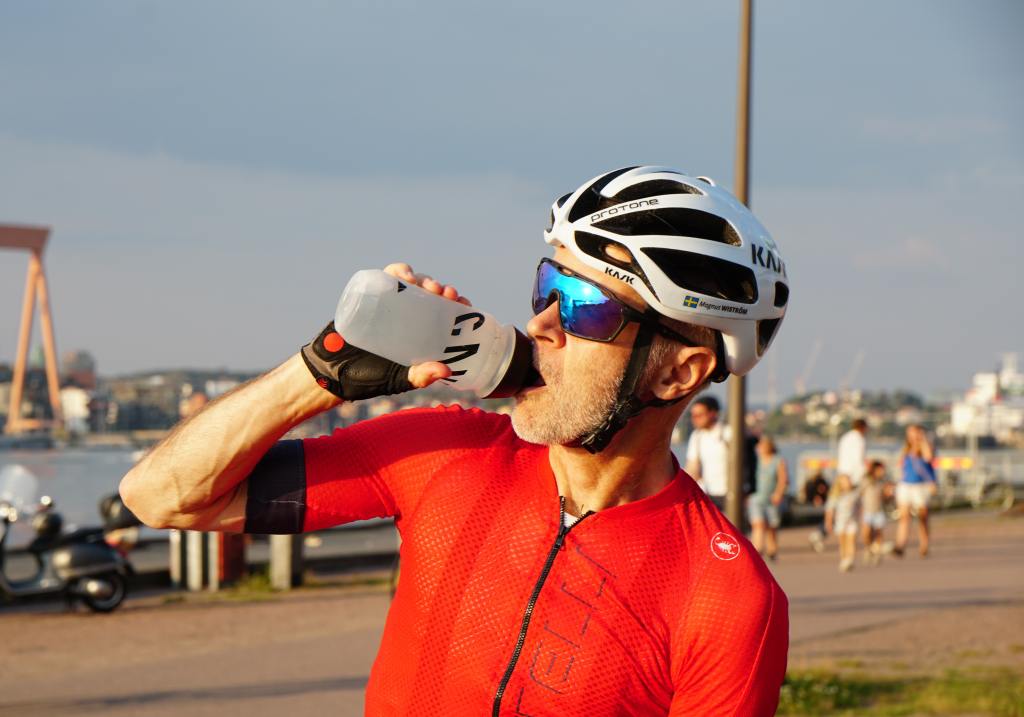
Hydration and staying cool as possible during the hot summer months is important for everyone but especially for cyclists. We already know about the importance of hydration anyway and that we should be taking in fluids the whole time while we are on a ride.
Attention to hydration and cooling, however, need to be monitored and increased before, during, and after cycling in the summer. The truth is, a cyclist can adjust his body to hot weather riding, acording to CTS, via acclimitization methods. In other words, over time, your body will adjust to temperature extremes the more you expose yourself to those elements.
But the key to combatting the potential for overheating is hydration and cooling. And you can actually do a lot in those areas before you even kit-up for a ride. What follows are some of the things cyclists can do, try, or think about.
- Assess weight, Urine, and Thirst (WUT) when you first awake in the morning.
- Increase fluid intake during the day and drink a water bottle of water versus a sports drink an hour before a ride.
- Eat high-water foods, such as anything from the berry family: blueberries, raspberries, and strawberries Kiwis oranges also contain high water content. But apples, celery, and other fruits and vegetables are also good choices.
- Pre-cool your body with icy slurry drinks, ice vests, and cold towels. These steps lower skin and core temperature.
- On your ride, take time to warm up or, at least, start slow.
- Wear lighter clothing in terms of color and fabric content.
- If you start to feel symptoms, pull off into a shaded area (if possible) and douse yourself with water.
Last Thoughts
Cycling during the hot summer months doesn’t have to be an unpleasant experience. True, it involves a little more preparation by focusing on drinking and keeping your body cool before you head out for a ride. However, don’t let extreme heat keep you off the bike. Over time, your body will adjust and you’ll be able to tell when you need to drink, eat, and recover.


 Bicycle Day Trips - Bicycle Travel, Gear Reviews, Photography, Cycling News, and Commentary