
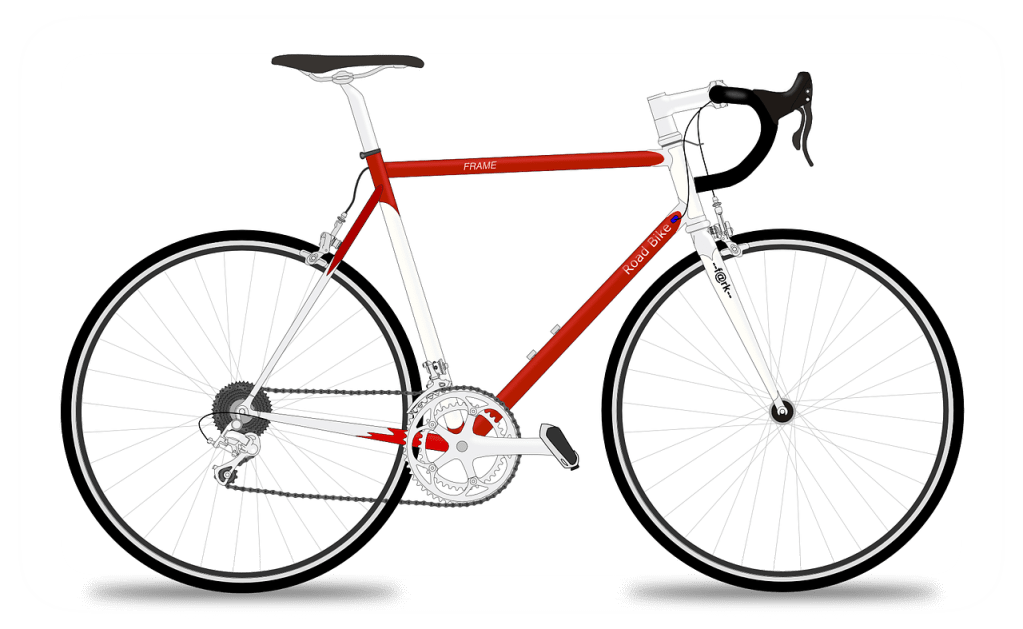
If you were to ask what do the cycling brands Pinarello, Bianchi, and Colnago have in common? It would be that the founders of each brand had a tie to the world of cycling.
From that connection, they were able to fuse their passion for innovation and frame building. That has certainly been the case with Ernesto Colnago and his name-branded bikes for the past 70 years.
Ernesto Colnago’s Entry into Pro Cycling

In 1954, Ernesto Colnago worked as a bike mechanic at a shop in Milan. Due to a cycling accident, he was forced to work at home. He made wheels, rims, hubs, and other cycling parts. This unfortunate accident, however, allowed the idea of bike mechanics and frame building to forge themselves in his mind.
By 1955, the pro rider Fiorenzo Magni, a pro cyclist, complained to Colnago about leg pain while riding. Colnago fixed the problem by adjusting and correctly mounting his cranks.
Magni was so impressed that he got Colnago a job as an Assistant Mechanic. Magni eventually won the Giro d’Italia while Colnago went on to become a bike mechanic that pro teams and their riders wanted around and then eventually a fully-fledged frame builder of renown.
Colnago’s Innovations in Frame and Fork Technology
From 1956 forward, the accolades for Colnago and his bikes streamed in. Besides making stand-out frames, Colnago was an inventor and innovator. His insights into frame technology, in fact, would change cycling forever.
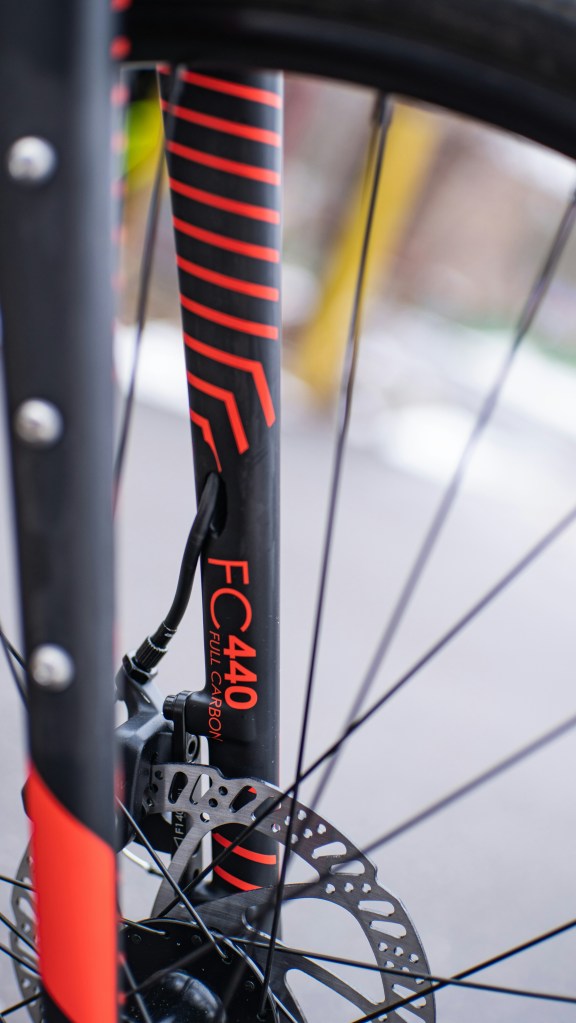
One such innovation was the “cold-bending” of fork tubes. He would “obtain the desired results by levering two pieces of wood fixed on the work bench.” His forks were much sought after by pro riders who would have a fork built then painted with their team colors and sponsorship labels.
By the late 1980s, Colnago made another leap in fork technology by making them straight. He also applied this technology to his chainstays. These two major changes reduced vibration overall and gave riders unparalleled control over their bikes.
Colnago’s C40 frame brought about another change in cycling technology in 1995. He created a bike with carbon fiber joints and tubing and glued them together. It was the first carbon fiber biker ever ridden in the pro peloton.
These first fully carbon fiber bikes revolutionized the cycling world. And in 2020, Tadej Pogacar was only the second pro rider besides Eddy Merckx to win the Tour de France aboard a Colnago bike.
Colnago’s Success with Pro Teams and Pro Cyclists
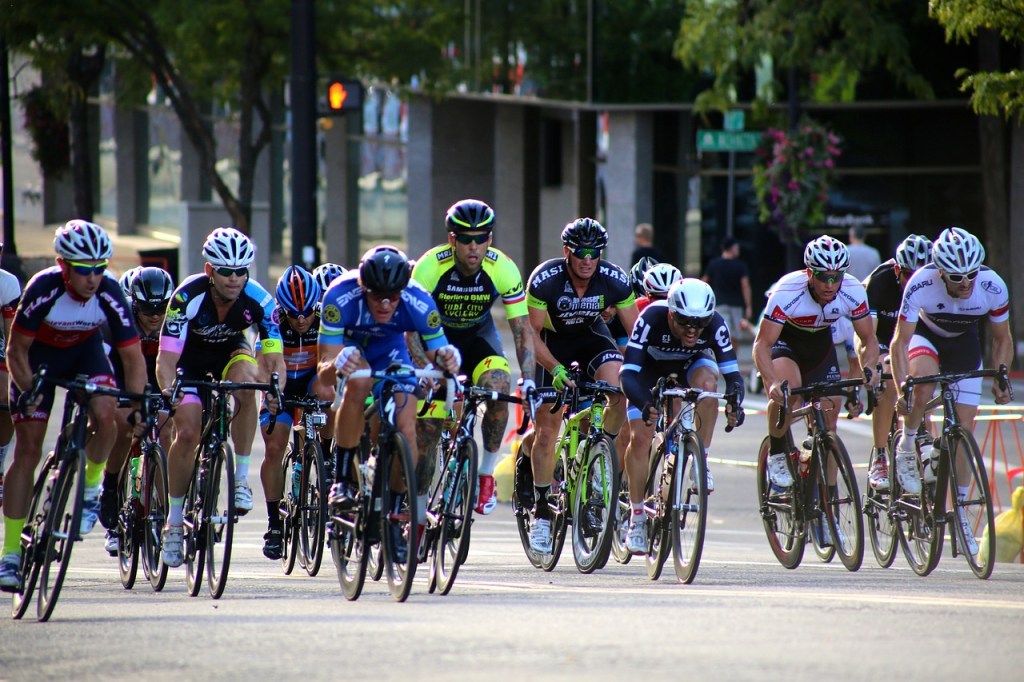
Fiorenzo Magni, as it would turn out, would not be the only pro rider and pro team Colnago would partner with. Over the proceeding years, he would work with Eddy Merckx and his Molteini team. He would build over 20 bikes for Merckx, one of which the Belgian would ride for the hour record in 1972.
By 1974, Colnago was the first frame manufacturer to sponsor a team in the pro peloton. Next would be a collaboration with the Soviet Union in 1980 where Colnagos were ridden to Olympic victory in Moscow.
Then in 1994, Tony Rominger set the hour record twice atop a Colnago. By 1998, three pro teams were riding Colnagos: Mapei, Rabobank, and Casino-Ag2r. In the 1995 and 1996 Giro d’Italia, the hour record, and the World Championships in 1995, 1996, 1998, and 2001, Colnago bikes were ridden to victory.
Last Thoughts
Colnago is one of the most recognized, successful, and innovative brands in all of cycling. How often can a bike builder claim to have made major changes in a sport as dynamic and ever-changing as cycling?
Almost 70 years later, Colnago’s story continues with a new generation of pro cyclists and by still making amazing cycling machines. Even today, in the grand tours, spring classics, and other important races, Colnago is a presence to be measured against despite the competition from new frame and bike builders. It doesn’t look like it is going away anytime soon.


 Bicycle Day Trips - Bicycle Travel, Gear Reviews, Photography, Cycling News, and Commentary