
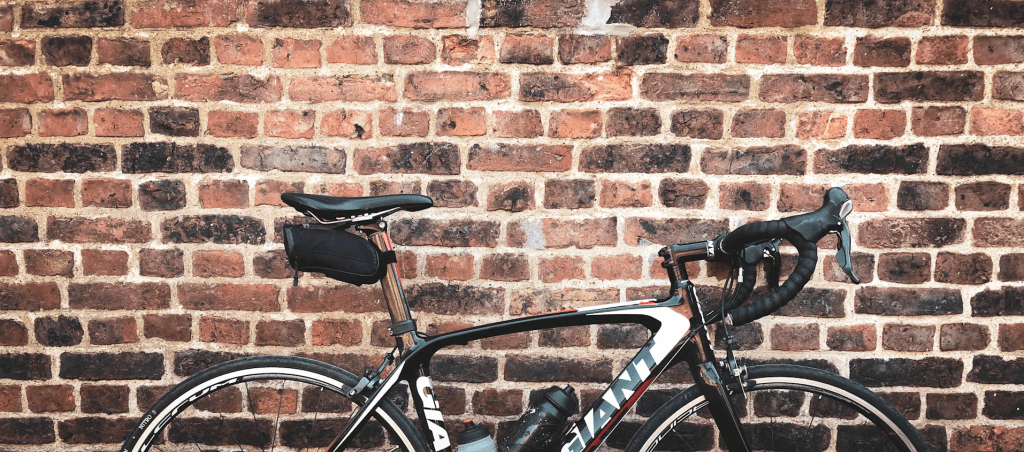
With all the expense, research, technology, and engineering that go into building bicycles in the 21st century, as a consumer, that makes the process of choosing the right bike to buy difficult. If you’ve limited your choice to a handful of bicycle builders with a solid reputation for innovation and performance, then Giant should be on your list.
About Giant Bicycles
Giant Manufacturing Company, as it was called in the early stages, was founded in 1972 by King Liu and current CEO Tony Lo in Taiwan. In the beginning, the company manufactured bicycles for many top brands. Giant, as a fully realized company, didn’t start making its own bicycles until 1981.
But once the company started, it had success almost immediately. Because of Liu and Lo’s connection to the cycling industry, they were able to get Giant bicycles into locations around the world quickly, such as Europe, North America, and other countries.
But what put Giant on the map as a major new player in the cycling industry was its desire to innovate and produce the best bicycles available. That started with aluminum frames and evolved into carbon fiber frames as well as geometry changes to the bicycle frame itself.
Giant, Pioneers in Carbon Fiber and Compact Road Design Geometry

While steel was all the rage for use in bicycle frames, Giant focused on producing the lightest aluminum frames possible. Then, shortly afterward, in 1987, the company developed its own carbon fiber process called CADEX. Giant became “the first bicycle maker to apply computer-aided design and volume production techniques to the production of carbon fiber road bikes.”
10 years later, Giant continued to bring new designs and concepts to road bike geometry with its Compact Road Design. With a sloping top tube and compact rear triangle, the company’s goal was to design a frame that, “increases rigidity, improves handling and reduces weight.”
Meanwhile, the company sponsored a mountain bike team and developed new frame technology for mountain bikes. And by 2008, Giant manufactured the first female specific bike frames with Liv/ Giant.
Giant’s Pro Team Sponsorships

Ever since Giant started producing its own bikes, it has had sponsorship opportunities come its way both on the mountain bike and pro peloton circuits. The first team it sponsored was ONCE in the late 1990s.
The next team it worked with was Rabobank in 2009 with its own Denis Menchov winning the Giro d’Italia. Giant would taste the sweetness of victory again in 2017 when its sponsored team Sunweb and Tom Dumoulin would win the Giro d’Italia. This victory led to other standouts at the Tour de France the same year.
Awards In Design and Giant’s First Gravel Bike
With its advancements in frame building from aluminum to carbon fiber, Giant garnered lots of awards from the cycling industry, specifically the Eurobike Award, which it won from 2007 through to 2010. But those awards didn’t mark the end of the company’s innovations.
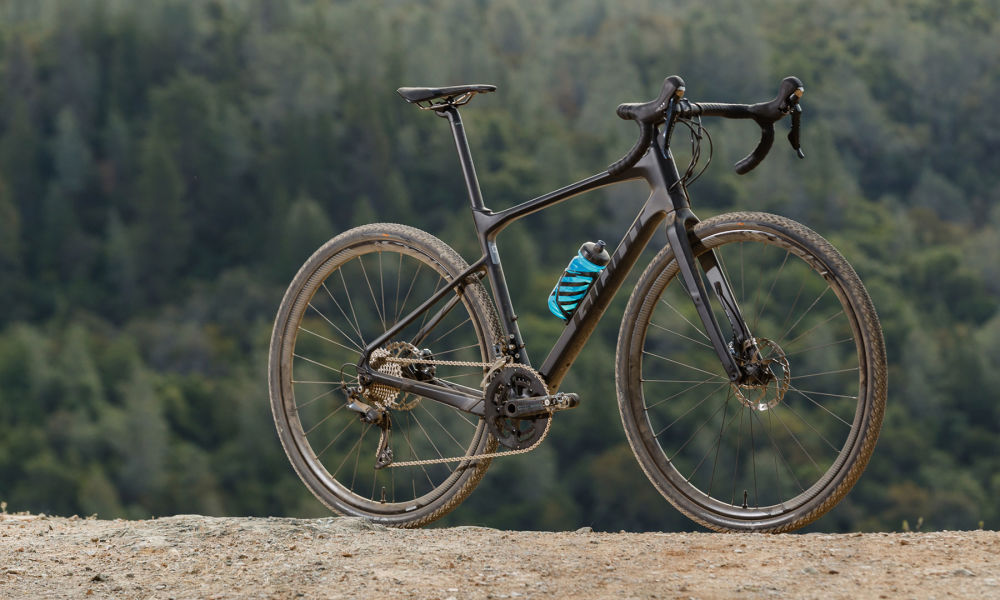
In order to stay relevant with the changing times and interests of the cycling industry and community, Giant, like many other bike builders, created its first gravel bike called the Revolt. Tested by Giant’s factory off-road team, the Revolt came with a “lightweight composite frameset and several key innovations including a D-Fuse seatpost and handlebar to help smooth out rough terrain...”
A couple years later in 2020, Giant would do a refresh on its top end road bike, the TCR, at that point in its 9th iteration. The company states that the TCR is now, “Lighter, stiffer and more aerodynamic than the previous generation..[I]t features new engineering and cutting-edge manufacturing techniques to give competitive road racers an edge over the competition.”
Last Thoughts
54 years on, Giant now produces all kinds of bikes in addition to road and mountain bikes. It also sells its own branded apparel and other gear, including replacement parts. This is a move many of the well-known brands have made, that is to become a “one stop and shop” versus having a buyer (or potential buyer) visit other cycling websites for the accessories they might need.
Giant, like many of the major brands, doesn’t exhibit any signs of stopping on its path of innovation and staying relevant with the times. I’m sure they will continue to sponsor teams and win design awards in the future, even though the cycling industry and cyclists are inundated with many choices on where to spend their cycling dollars. Undoubtedly, Giant is sure to capture some of them.

Share this:


 Bicycle Day Trips - Bicycle Travel, Gear Reviews, Photography, Cycling News, and Commentary