

While we’d all rather be out riding versus thinking about bike maintenance, ensuring that your bike is mechanically sound is essential not only for your riding enjoyment but also for your safety. Would you drive your car if it wasn’t safe to do so?
But unlike with a car, which requires knowledge of various makes and models and how to work specialized computer systems, bikes are all mostly the same. If you can learn how to properly change a flat, tighten bolts, size a chain, or adjust your brakes, you can maintain your own bike. To do these jobs, though, you need the right tools. Bicycle tools are expensive and numerous, so which ones do you really need?
Do You Need a Pro Bicycle Mechanic? Yes and No
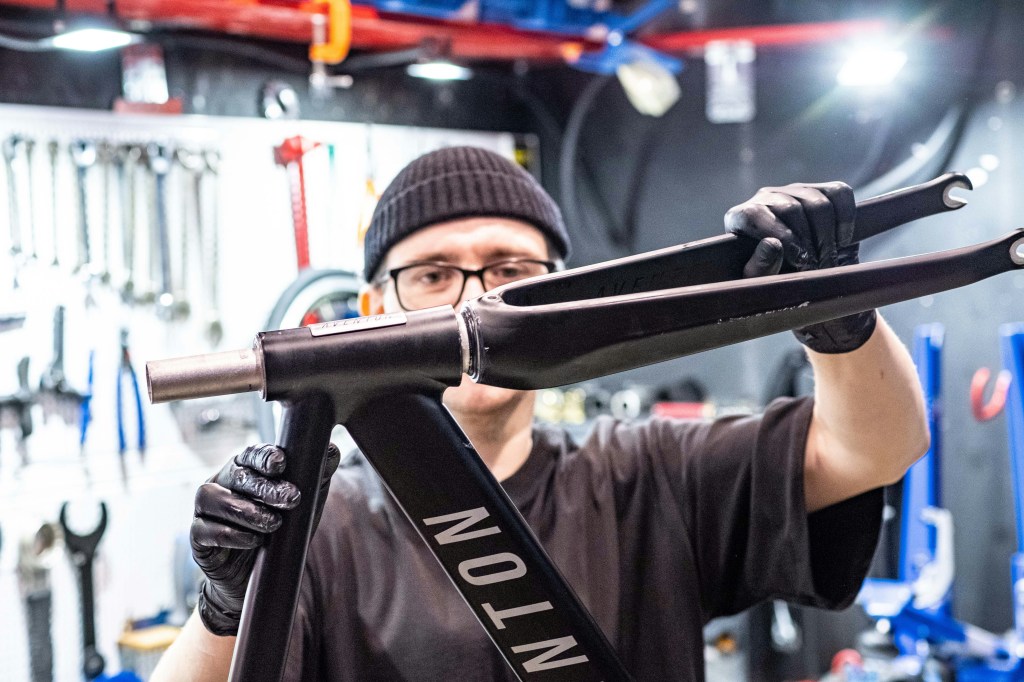
There are situations during a maintenance cycle where you might get stuck on how to resolve a particular problem or that might require a level of expertise that you don’t have. So yes, that’s when it’s good to get a pro mechanic involved. A bike mechanic can also be a good sounding board for questions you might have.
But do you really need a pro bike mechanic? Not if you are confident in your ability to fix things and make adjustments. And if you are new to bike maintenance and unsure how to, for example, size your new chain, here are some good areas to learn bike maintenance on your own.
- Books about bike maintenance
- YouTube is a great resource, especially if you are a visual learner
- Other cycling websites
- The internet in general
What Bike Tools Should You Buy?
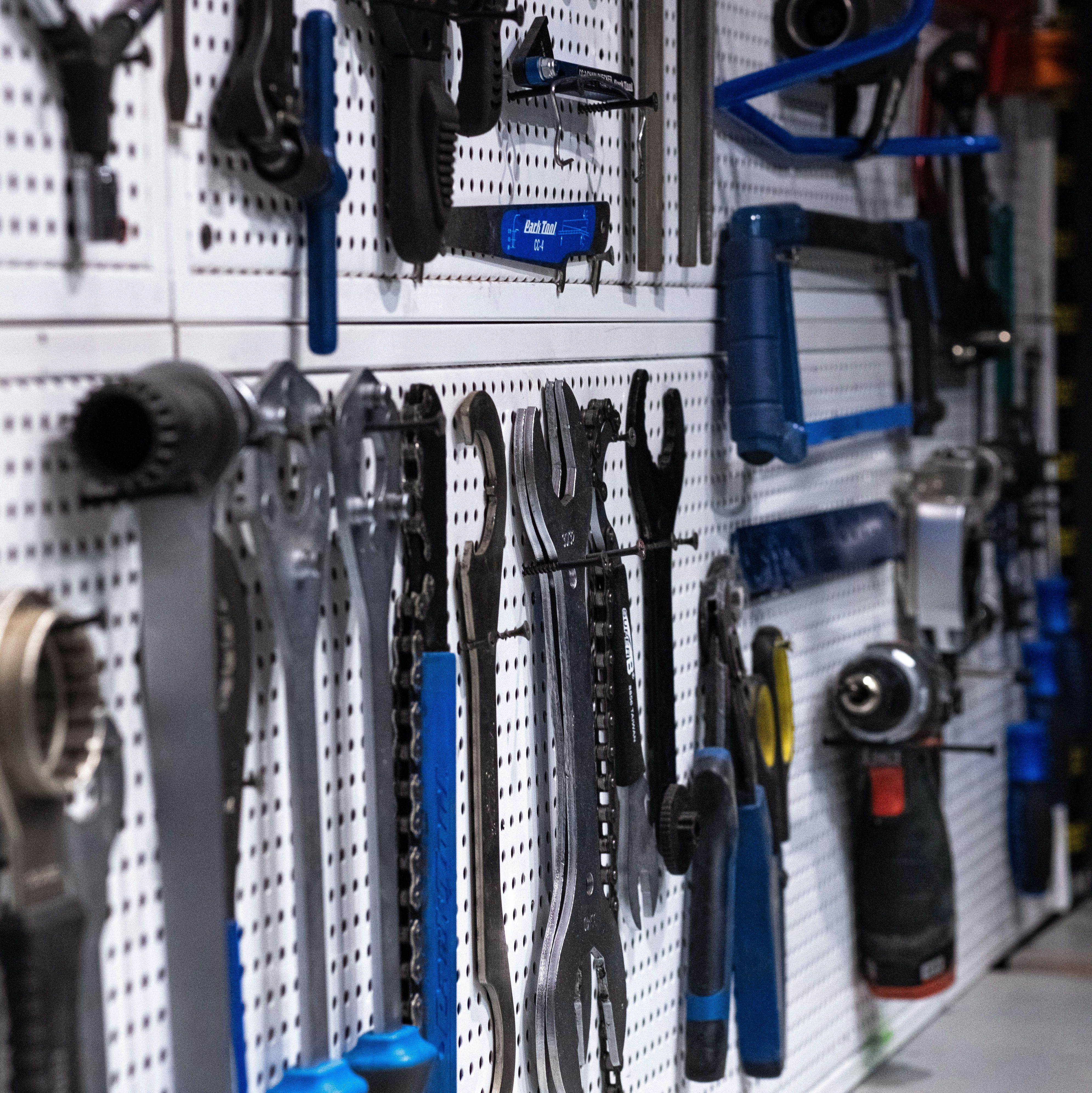
As mentioned at the beginning of this post, there are many bike tools you can buy. If you buy every tool under the sun, though, it will cost you hundreds of dollars.
If you’re new to bike maintenance, Road.CC has an article about all the basic tools you should have in your arsenal. They recommend purchasing a basic bicycle tool kit. This kit won’t have everything you’ll ever need to work on your bike but it’s a good place to start.
But what is the best way to approach buying bicycle tools? It is to obtain them as needed for the job you are trying to do. Another rule to go by is if this is an adjustment, install, or other task that might occur regularly, then invest in that tool.
A Workstand First Then Other Tools

Once you obtain a basic bicycle tool kit, where and how you work on your bike is important. So, before buying any other tools, first buy a bicycle workstand. It will make any maintenance work immensely easier.
A workstand will get your bike off the floor and at eye level, give you access to any area of your bike, and allow you to spin your cranks if you are trying to dial in your shifting. A workstand will also make doing a tedious job like installing new bar tape quicker.
That said, here are the tools all cyclists should have to maintain their bicycles.
- Allen Keys
- Tork Keys
- Torque Wrench
- Pedal Wrench/ Spanner
- Cable Cutters
- Chain wear gauge
- Chain breaker
- Cassette tool
- Chain whip
- Electrical tape (finishing tape for bar tape install)
What Tasks Should a Pro Mechanic Do For You?

There aren’t many tasks you can’t do while maintaining your bike, but there are tasks that require skill and finesse. One of those is wheel truing. That involves turning spokes and using a Tensiometer. It takes patience and feel to do it right. If your wheel falls out of true, a pro mechanic is your best bet.
The other area that can be problematic is sizing the steering column on a fork. It’s always important to remember the old axiom: “measure twice and cut once” because you will have to use a hand saw to cut the tube. It’s easy to get thrown off with the steerer inside the head tube (front of the bike where the fork attaches).
If you don’t feel comfortable cutting your fork on your own, again you should consult a pro mechanic. There are a few other areas that might throw you off, such as straightening a bent derailleur hanger. The good news is all the things I’ve mentioned don’t need attention all that often.
Last Thoughts

Maintaining your bike can be fun but it can also be frustrating and challenging. What you learn, though, by working on your bike versus running to a mechanic for every problem is invaluable. You learn that you can troubleshoot and fix many problems that might occur and you feel empowered with that knowledge.
If you’re new to bike maintenance and you feel intimidated by the prospect of performing it, take your time and learn how to do it right. Start with simple tasks and move up gradually to more difficult ones. Your knowledge and confidence will grow as you tackle each new area on your bike.

Share this:


 Bicycle Day Trips - Bicycle Travel, Gear Reviews, Photography, Cycling News, and Commentary