
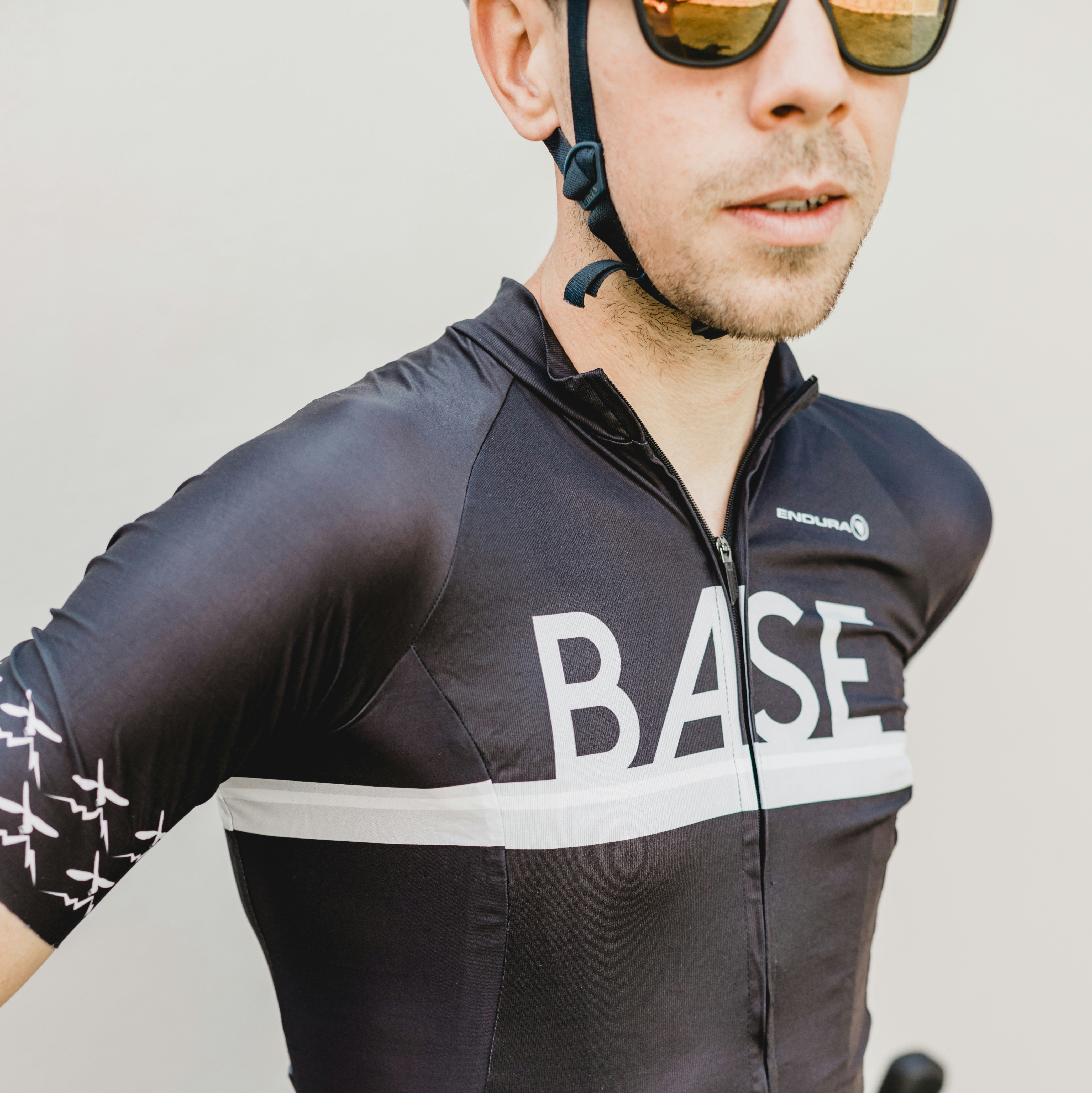
I’m probably stating the obvious when I say cycling gear is expensive. If you’re a serious cyclist, I’m not telling you anything you don’t already know. And nowhere is that more true when talking about the basic cycling kit: jersey, shorts or bib shorts, socks, and gloves.
When we spend hundreds of dollars on a cycling wardrobe, we hope it will last a long time. Sure, the type of soap (detergents) you use can impact the highly technical fabrics cycling clothing is made of. But more important is how you wash and dry your kit that will determine how long a jersey or pair of bib shorts will last.
What Makes Up a Cycling Kit?

Depending on your particular cycling discipline, what you wear on a ride can differ. But if you’re a road cyclist, chances are your kit consists of a zippered jersey, bib shorts, socks, and open-fingered gloves. Some cyclists might include a helmet and shoes as part of the overall kit, but I’m only interested in those items that can be washed.
The two most important pieces of the cycling kit that suffer the most wear and tear, however, are the jersey and bib shorts. Jerseys are usually constructed of nylon or polyester and bibs are made from lycra spandex. These are highly technical fabrics that are made to wick moisture (sweat) away from your skin. The use of some detergents may break down the materials in a jersey or pair of bibs and make them less effective.
It’s Not the Detergents But How You Wash Your Kit that Matters
Pearl Izumi, Velocio, and other consumer cycling brands claim that whether you use Tide or an organic brand of laundry detergent, it doesn’t matter. Neither of them negatively affects the materials in cycling garments.
What matters most is how you wash your kit. That will test its durability more than the detergent you choose, according to an article by Joe Lindsey over at Bicycling. com.
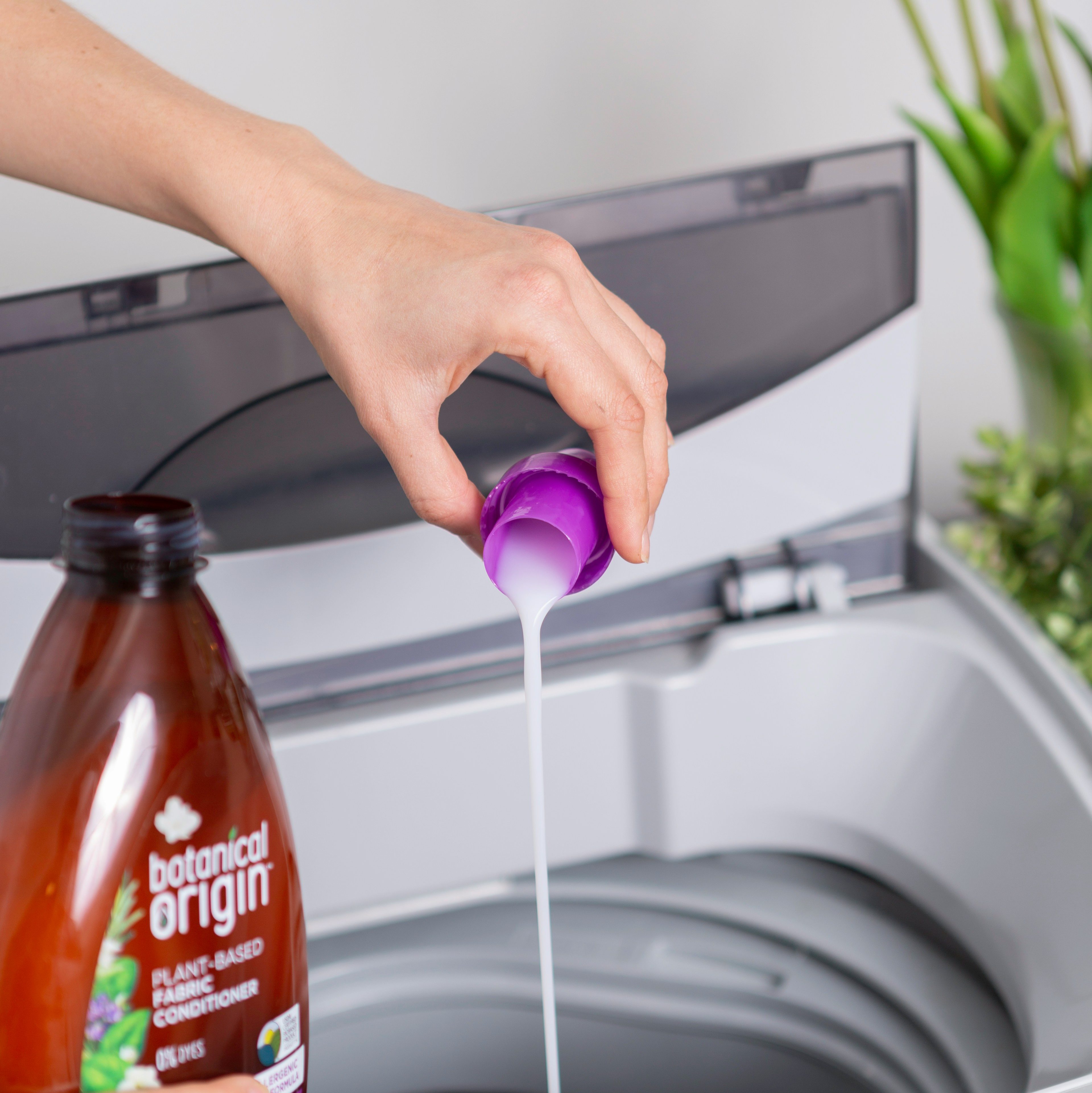
In fact, if anything, it’s the type of water and its temperature that is more detrimental than the chemicals in the detergent. Products like bleach and fabric softener are also way more destructive. The best way to approach cleaning your kit is just to use common sense.
Steps to Washing Your Cycling Kit

It used to be the recommendation to only wash your cycling kit by hand. If you put it in a washer and/ or dryer, it would be destroyed. That’s not the case anymore.
Modern washing machines have various cycles and modes you can utilize depending on what you might be washing. Additionally, washing machines are not as hard on clothing as they used to be with water and load sensing. That said, here are the steps to follow when washing your cycling kit.
- Wash your kit right away after a ride. Don’t leave it piled up with your other laundry for days on end where it becomes a breeding ground for bacteria. Furthermore, it’s the dirt, oil, and sweat that break down technical fabrics much faster than any detergent.
- What’s one of the best inventions in modern life? It has to be the mesh laundry bag. Stick your cycling kit (jersey, bibs, gloves, socks) in one. A laundry bag keeps those items protected, together, and away from the agitator.
- Prep your kit for washing. Before dropping your kit into a laundry bag, zip up the zippers and turn your shorts inside out. If you have any velcro on your kits, such as in your riding gloves, be sure to close them.
- Wash your kit in cold water. In current washing machines, the cold water mode has become just as effective as using hot water. Hot water has an effect on the elastic in your shorts and bibs and in the elastic in your jersey, it can, over time, dissolve the gripping ability to the point of ineffectiveness.
- When you wash your kit, use a small amount of detergent. All of the laundry detergents available in the marketplace, no matter what brand you use, are highly concentrated. A small amount is enough unless you are washing your cycling kit with other clothing, which is what I often do. The better companies explicitly state that (look for them) and ignore the ones who don’t.
Last Thoughts
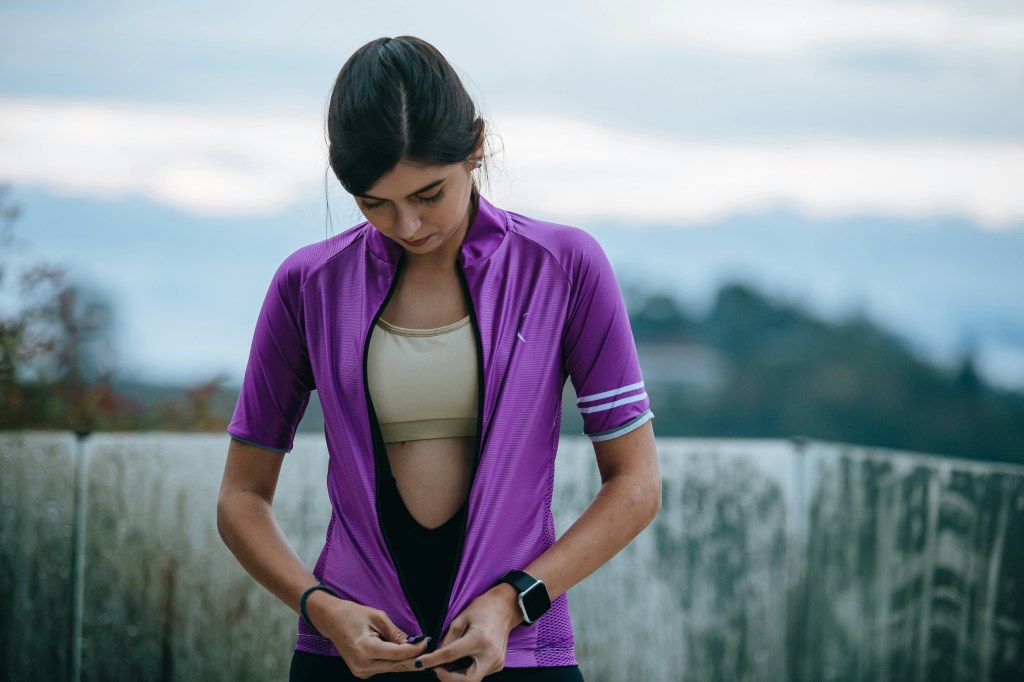
I love wearing cycling-specific apparel, it just makes you feel connected to the aerodynamics of the bike. The price does give you that whole “sticker shock” feeling. You read all of the marketing that goes into a jersey or bibs and it makes you salivate with desire.
But if you’re going to spend money on high-end cycling kits, you want the best fabrics, the best in sun protection, and the best skin actuation available so it feels like you are almost naked when you’re on the bike. So, you hope that washing your cycling kit won’t detract from that feeling. Follow the items above and your cycling kit should prevail and offer you a long life.

Share this:


 Bicycle Day Trips - Bicycle Travel, Gear Reviews, Photography, Cycling News, and Commentary