
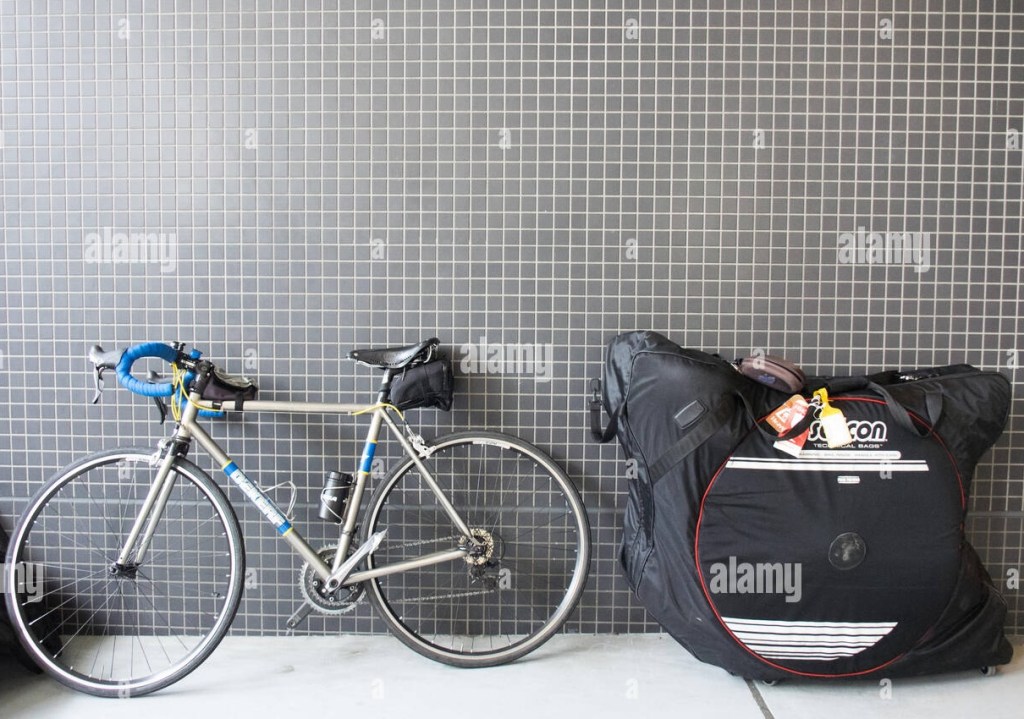
So, you’ve found a place you want to travel for a cycling vacation, event, or race. Whether that place is here in the United States, a beautiful location in Europe, or somewhere else in the world, the trip is booked. However, you’ve decided that you’d rather not rent a bike.
While that option is convenient, a rental bike is not your bike. So, the fit may be off, the saddle uncomfortable, the gearing inadequate, or it has a groupset you’re unfamiliar with. That means you would prefer to bring your own bike.
The problem is you’re unsure of the best way to get your bike to your destination without it being damaged or lost. Hopefully, this post, along with an article over at road.cc, will put your mind at rest about how to best travel with your bike.
What’s The Purpose of a Bicycle Travel Bag or Case?
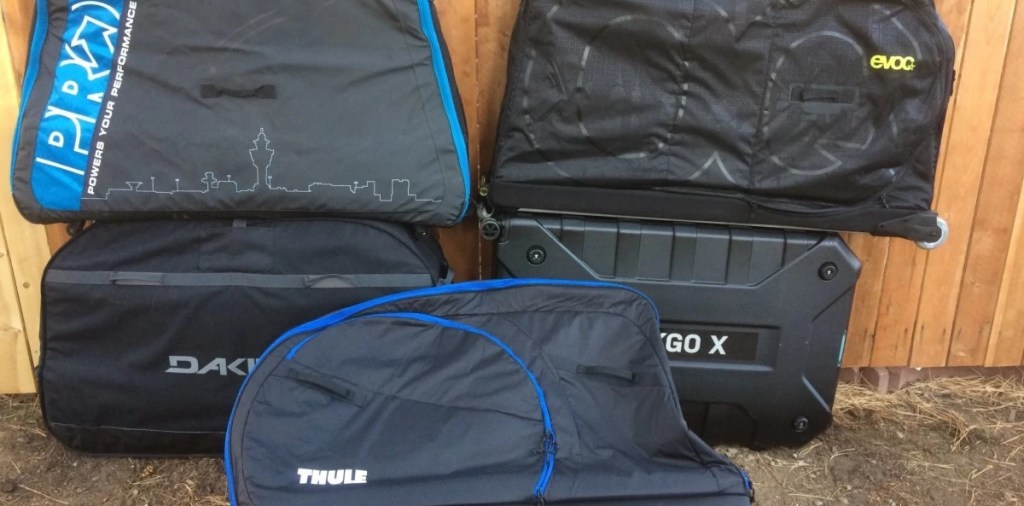
Well, it’s relatively simple and straightforward: a bike travel bag or case is used to safely pack your bike for travel, specifically for plane, train, or bus travel. A bag or case allows you to pack your bike without removing your handlebars, seatpost, and pedals, just the wheels will need to be uninstalled.
Depending on the bag or case you choose to use, you may have to remove your pedals, loosen your stem to optimally pack your handlebars, or loosen your seatpost. Many cases or bags these days, however, give you sufficient room so you won’t have to remove anything other than your wheels.
Pack Your Bike Yourself or Have a Bike Shop Do It?
The answer to that question depends on how comfortable you are disassembling (then reassembling) your bike. Plus, you will also need to have the right tools to reassemble your bike and bring your components back to the right torque specifications once you get to your destination. If you are doing a tour with a bicycle travel company, you may want to ask if the company will do that for you.
If your level of knowledge about bike disassembly and reassembly is lacking, then your local bike shop may pack it for you. It’s a good idea to call and ask. Keep in mind there will most likely be a cost associated with your bike being packed at a shop, probably around $75.00 or more. That cost covers the box and assorted packing materials.
Bike Box Versus a Bike Travel Bag or Case
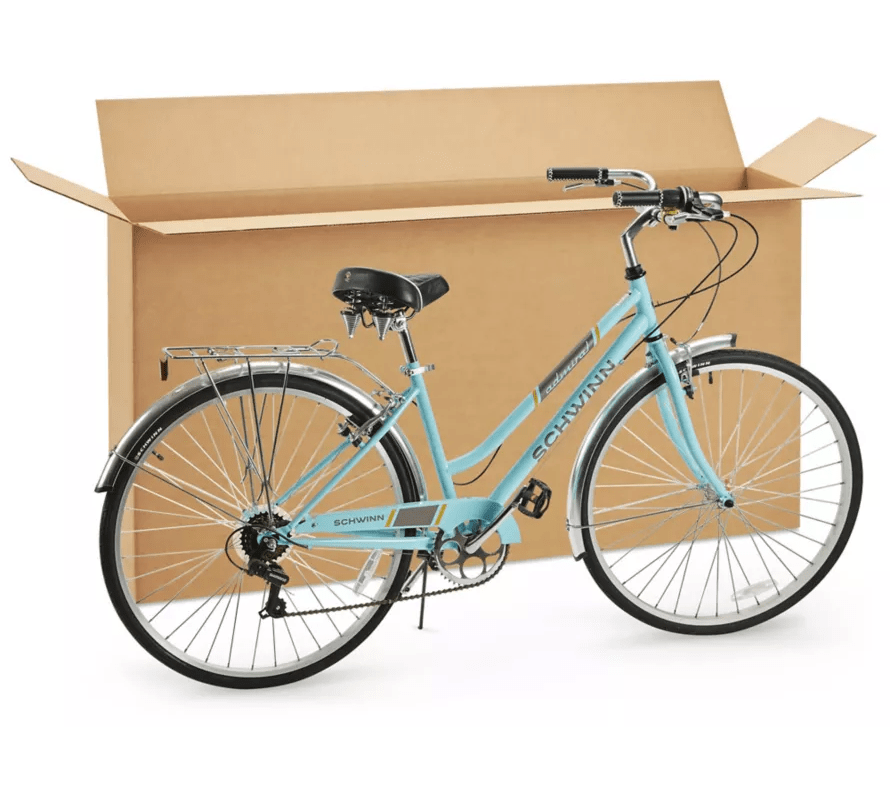
Once you arrive at your destination, you’ll either need to have a bicycle travel company mechanic or a bike shop in your destination put it back together for you. You’ll then need to have your bike broken down, repacked, and shipped back home once the trip is over.
Unless you have a case or bag for your bike, shops will usually reuse a box that a new bike was shipped in (much like the one pictured above). They will use the packing materials left over from that bike shipment.
A problem arises, however, if you have items you want to put in the box. Those items could get damaged or cause damage to your bike during shipping. That’s why it’s better to use a bag or case that has zippered compartments for your shoes, helmet, or whatever else you feel you might need to bring. The other negative of using a bike box to ship your bike is it may get damaged or even lost.
Flying With Your Bike
The most significant positive about using a bag or case is that you are in control of how the bike is packed. You can also keep your bike in your possession until you check in at the airport.
If you fly with your bike, expect to pay a fee between $35.00 all the way up to $287.00. That all depends, of course, on the airline you use, how big or heavy your case might be, and where your final destination might be.
Your bike will most likely be considered oversized or too heavy and large to be carried on. That means your bike will get stowed in the luggage compartment at the back of the plane and be subjected to the roughshod treatment of baggage handlers with other heavy baggage possibly impacting your bike. If it were me, I’d definitely opt for a hardshell case versus a bag, especially if you fly a lot with your bike.
Cost of a Good Bicycle Bag or Case and Where to Buy
The choice to buy a bike travel bag or case and where to purchase them is a fairly easy undertaking. Road.cc’s article lists several cases and bags, rates the best ones, and tells you from where they can be purchased. The problem is the cost of either a case or bag is very expensive. Expect to pay anywhere from $400.00 up to $800.00 or more for a case or bag.
If you don’t fly with your bike very often, there are many places online from which you can rent a bike travel case or bag. If you choose this option, you can save hundreds of dollars. Just keep in mind that these rental companies may have restrictions, such as not allowing international shipping or transport of the case or bag.
The Sports Basement, for instance, will let you rent a Thule Bike Travel Case for around $200 or even less. Rent Luggage.com will let you rent its Thule Roundtrip Traveler Case (bag) for around the same price point. Just make sure if you rent from one of these places or some other one to order your rental early. You want to have some time to practice packing your bike.
Last Thoughts
The choice of whether to buy a bike travel bag or case can be a bit overwhelming and expensive. But the fact that you could use your bike on a trip may counter all those factors, especially if you travel (fly) a lot for rides, events, and races.
If you don’t travel much, then the choice to rent a bag or case is a better option. It is definitely the least expensive, then you can ask a mechanic at your local shop to pack your bike for you. He may even show you how to do it for a six-pack of beer.

Share this:


 Bicycle Day Trips - Bicycle Travel, Gear Reviews, Photography, Cycling News, and Commentary
I’ve got both a hard shell case (BikeBoxAlan) and a soft case (Scicon) and these days I mostly use the soft case and lots of bubble wrap! It doesn’t offer the same level of protection, but it is FAR easier to transport and travel with. So far I’ve not had any dramas. 🤞
LikeLiked by 1 person
Hey, how have you been? Glad you liked the post. I actually have neither a soft or hard case, but I haven’t needed one so far. How is packing your bike in your case? Easy or involved? They may be an investment for another day.
LikeLiked by 1 person
The soft case is the easiest, as there is no need to remove the handlebars or stem. At a minimum it’s just the wheels off. For additional protection I also remove the rear derailleur, pedals, and (if taking a disc brake bike) the brake rotors. Packing or unpacking is less than a half-hour easy task. The hard shell case requires more bike disassembly.
LikeLiked by 1 person
That’s all good to know! Thanks for sharing your experience of both types 😎
LikeLike