
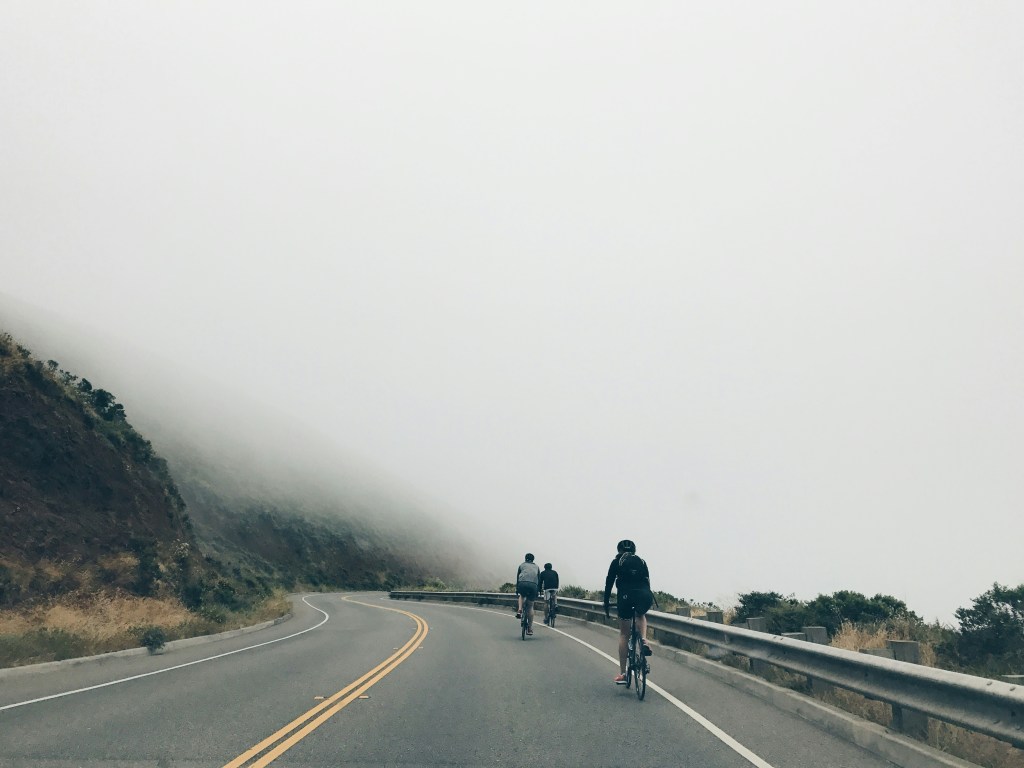
What do you consider to be a long distance ride on your bike? Is it 40 miles? 60 miles? 100 miles? Maybe you’re fairly new to the sport and never tried to go beyond 20 miles? Or maybe you’ve done 100 miles before but nothing above that? Maybe you want to be able to ride long distances on consecutive days?
Whatever might be the case for you, learning how to cycle long distances is easily achievable if you prepare for it through training and other methods. Jessica Coulon and Alex Stieda talk about this process in an article over at Bicycling.com.
How to Conquer Long Distance Bike Rides
If the thought of riding more than 10 or 15 miles in one go seems intimidating, don’t let it be. There are a couple of key things you can do right away to help you get to those big miles you’re craving.
After all, as cyclists, this is something we all want anyway because more time on the bike means more fun, more fitness, and more strength as a rider.
But beyond just raw desire to get to those big miles, there are a couple things you can do. Firstly, if you’re already doing 10 to 15 miles each ride or only going out an hour at a time, try to gradually build in more miles and time on your rides. If you’re currently doing 10 miles, each ride try to step up to 12 miles, then 15 miles until you reach 20. Then from there, add on 5 or 10 miles each week.
The other thing you can do (if you can make the time for it) is ride as much as possible, perhaps two to three times a week. Eventually, your endurance will increase and you’ll be able to adapt to being out on longer and longer rides as time goes by and your fitness improves. But here are some other great tips to get yourself ready for long distance road cycling.
Choose a Good Pace and Speed
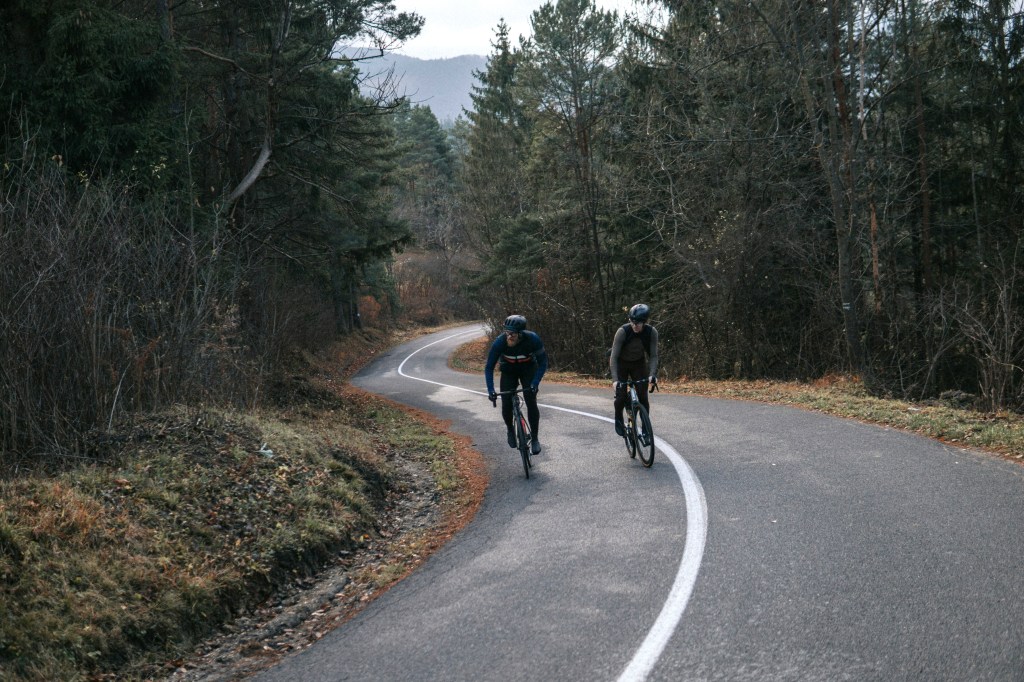
If you want to ride long distances, you need to pace yourself and ride at an optimal speed. Cyclists tend to think that since they are riding speedy bikes with lots of gearing that going slow does a disservice to the vehicles they are riding. This isn’t true at all.
If you want to last any amount of time on a ride, the best approach is to start out slow, gradually pick up your speed, then find that pace that will sustain you through the ride. Eventually, as you get stronger and more fit, you might even be able to increase your pace and speed (cadence). Remember, you’re not riding a race here but building endurance.
If you go too hard too fast, you will burn through all your energy in a half hour to an hour. Save that energy and learn how to adapt to fluctuations in the road. That energy you save will even help you conquer those climbs you dread on your weekly rides.
Eat and Drink With Intention
If it’s a hot day or you’re working hard on a ride and sweating heavily, it’s difficult to think about eating or drinking. However, it’s these two actions that will help fuel you through long rides.
Ideally, carry two water bottles on your bike, one filled with water and the other with a sports drink you can tolerate, which will help to replenish lost electrolytes that occur from sweating. The rule is you should be able to get through a bottle after you’ve been out for an hour.
If the thought of eating overly solid food while you’re riding isn’t what you’re used to, or you’ve had gastric distress as the result of something you’ve eaten on a ride, opt for other sources. Eat a banana or push a gel. How many gels you bring with you depends on how long you’ll be out.
Use The Wind to Your Advantage
There are three kinds of wind you may experience on a bike ride: a headwind, a crosswind, and a tailwind. The worst of the three, of course, is a headwind. A breeze can be great on a hot day and may give you motivation to keep going. A headwind, though (especially a very strong one), can zap your strength, even if you’re just riding flats.
If you have a riding partner, you both can take turns shielding each other from the wind. If you’re by yourself, you’ll just have to muscle through it. If you feel yourself fatiguing, there’s no shame in pulling over for a quick rest and a swig of water or sports drink.
The same goes for a crosswind, especially those that threaten to blow you over. In fact, crosswinds can even be more difficult to ride in than a headwind. That feeling that you have to fight to stay upright on the bike or keep it from blowing out from underneath you while at the same time riding hard can be very fatiguing.
A tailwind, of course, is ideal. It will help to propel you down the road and allow you to keep some energy in reserve for other points in the ride. A tailwind is especially nice on a climb but a true rarity.
Be Ready for Flats or Other Ride Situations
It’s an unfortunate truth that you will most likely have a flat (or something more involved) happen on a ride. Don’t let this possibility keep you from going out for a long distance road ride. At best, be prepared with an extra tube, tire levers, a multi-tool, your phone, and some cash. See my Ride Essentials series of posts to view what you should carry with you for every ride.
If you are unsure how to change a flat, tighten bolts, break your chain, etc., practice these procedures at home so you are familiar. YouTube is a great resource for learning these various quick fixes.
Work Through Discomfort and Ride Painlessly
Until your fitness becomes solid as you take on long distance road rides, you’ll definitely encounter the aches and pains of being in a sport-specific riding position. If your hands get numb, periodically remove each hand and shake out that numbness. You can also change your hand positions from the drops to the hoods of your brake levers.
If you feel tension or stiffness in your back, either stretch out each arm while riding, or once you’re stopped in a safe place, go through a more advanced stretching regime. Shoulder shrugs can help alleviate tension as well. If your butt starts to hurt, make sure to stand while riding to get off the saddle. This will also allow you to stretch out your back.
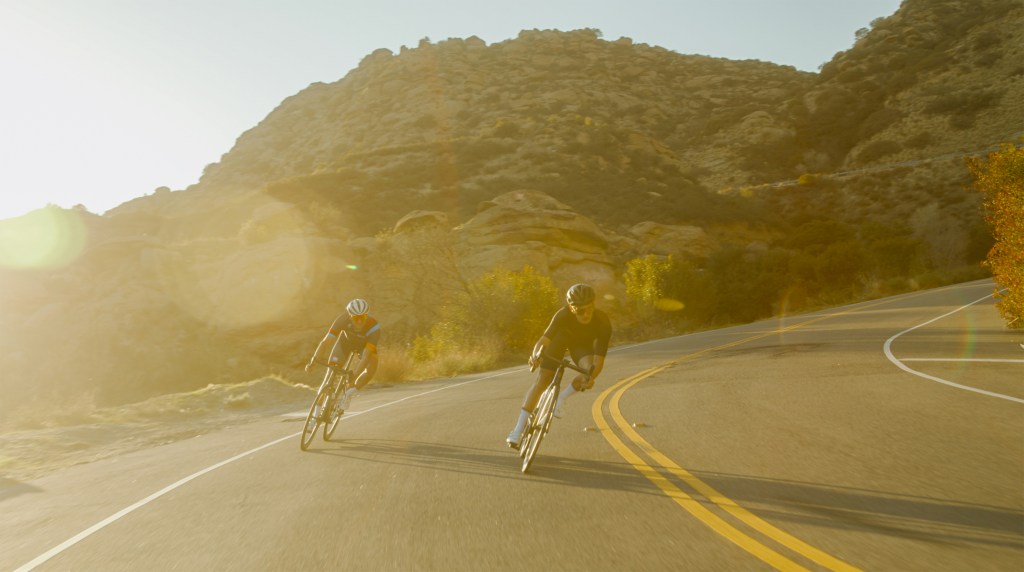
If you feel your legs cramping up, on a flat piece of road, drop one leg out of your pedals and stretch it out, then do the same with the other leg. There’s also no shame in taking short breaks and dismounting if, overall, your body is feeling tight. Lastly, use those fast descents to sit back and enjoy the ride downhill, which will also help you to relax tired muscles.
Last Thoughts
Long distance road cycling can be great fun once you build yourself up through your fitness and establish your endurance. The important thing to remember is if this is something you want to do, you can get there in really no time at all. While desire isn’t everything, the love of being on the bike will help you become the type of cyclist you want to be.

Share this:


 Bicycle Day Trips - Bicycle Travel, Gear Reviews, Photography, Cycling News, and Commentary