
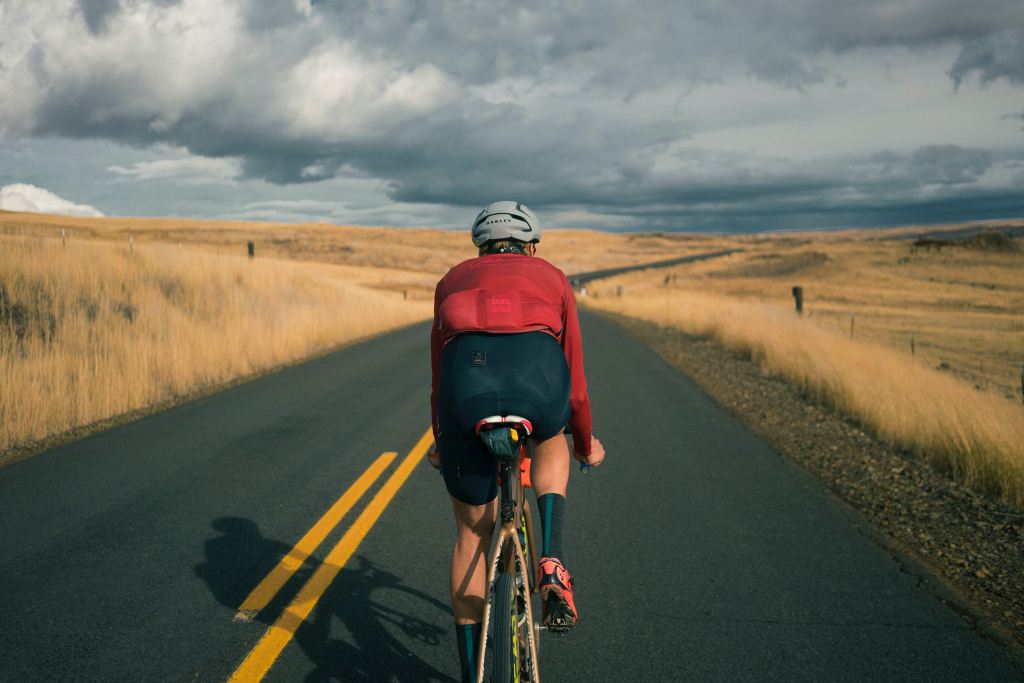
Unlike many sports, such as baseball, tennis, track and field, swimming, and many others, road cycling does not happen in a controlled environment. In fact, unless it is a race or an event situation where a specific course is designated, cyclists who ride and train on public roads are subject to a plethora of dangers.
While the possibility of accident and injury exists in any sports activity, there are a lot of things (some of them unpredictable) that can go wrong on a bike ride. But if you love to be on your bike, you love the sport of cycling, and you don’t want your route and scenery to be dictated by a bike path, then you need to overcome those fears. There are, of course, no perfect solutions but here are some tips and suggestions to face those fears as they arise.
Fears Associated with Road Cycling
With many sports, the biggest fear those athletes face is personal injury that results while they are participating in a game or event. The root cause in this case is usually from engaging with other athletes. Cyclists, of course, can crash during a race or event situation with other riders.
In most cases, though, it’s the fear of external factors cyclists have to overcome. These fears are delved into and explained in a blog post by Chris Carmichael over at Carmichael Training Systems (CTS). The big six are as follows:
- Cars
- Downhills
- Corners and Turns
- Breakdowns
- Bad weather
- Animal attacks
There are a few others I could add to this list, but these are the main external factors cyclists think about in passing every time they hit the road.
Getting Hit By a Car
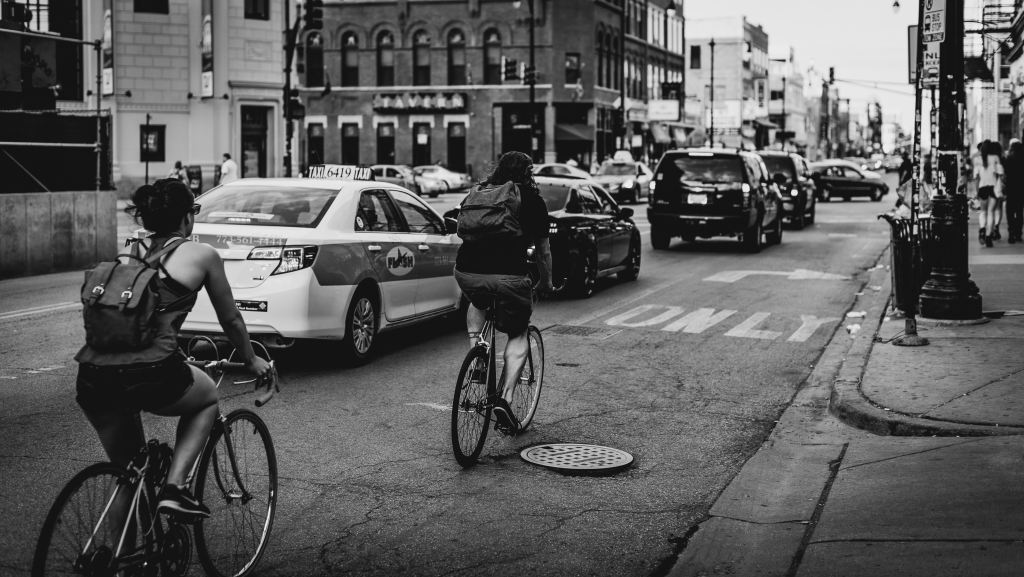
If you are a cyclist with a penchant for riding on the road, you would be an odd exception if you weren’t worried about getting hit by a car. It comes with the territory. And, unfortunately, it is highly unpredictable when (not if) it will happen.
If you ride your bike on the road, there is a high probability you’ll have an altercation with a car. Of course, you could avoid that situation by riding gravel roads, which have become very popular, or riding the bike path. But these two options may not be available where you are, may not offer much of a challenge, or may be too populated to get in a good workout. Here’s what you can do instead.
- Obey all traffic laws and ride your bike like you’re in a car.
- Choose roads and routes less used by cars. If you’re new to an area, consult Strava or another GPS routing system.
- Be aware of drivers and make eye contact.
- Look ahead to side streets and study the behavior of vehicles as you get closer to them.
- If you have lots of traffic behind you, pull off for a few minutes and let it go by you before continuing your ride.
- Avoid aggressive behavior and use hands and voice to register an objection a driver might hear if they “buzz” you.
- Maximize your visibility with reflective clothing and bright colors and put a front and rear light on your bike. The use of lights during daylight riding is becoming a standard for cyclists on the road.
Riding Downhill & Corners/ Sharp Turns
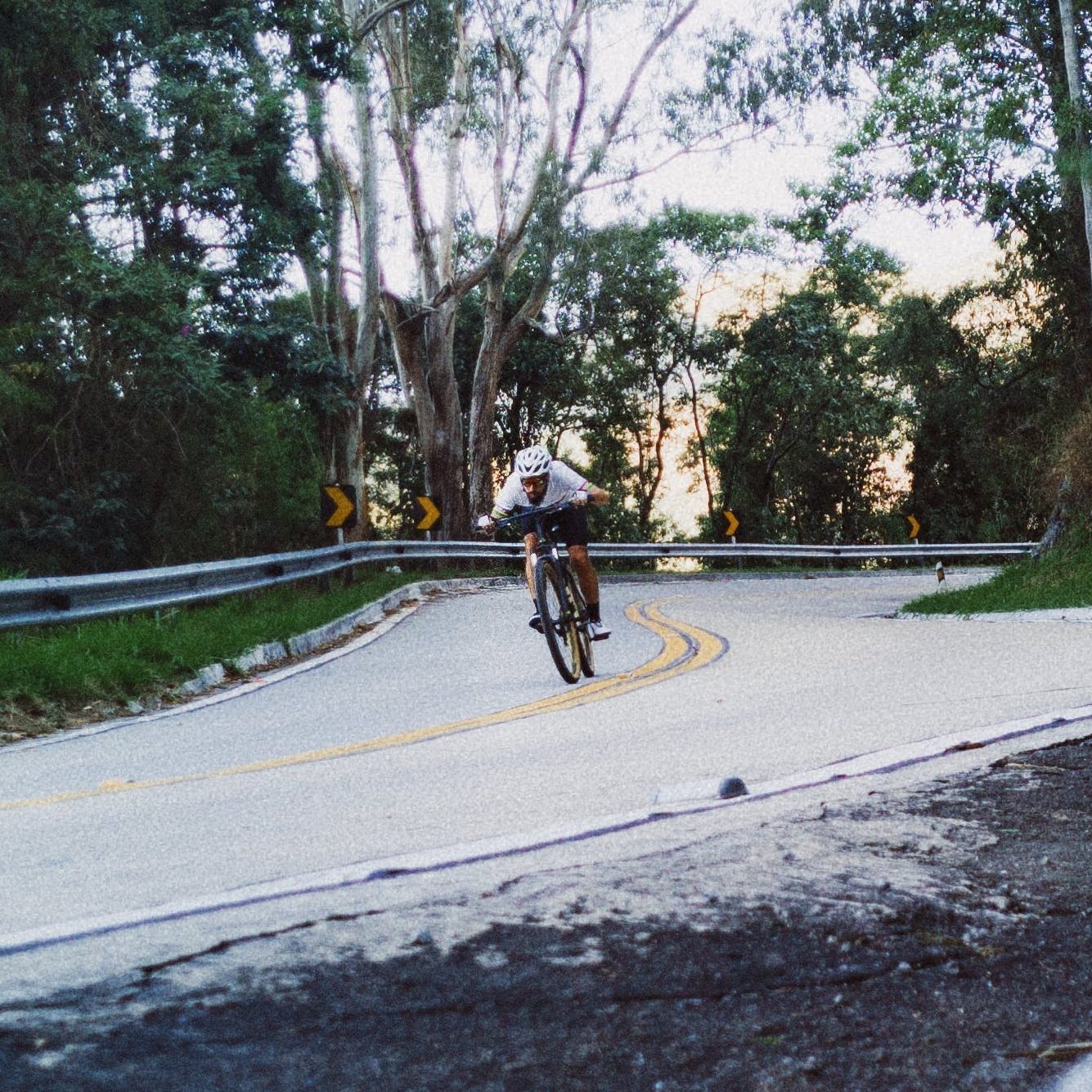
One of the many fun moments in all of cycling has to be riding downhill, especially after a hard climb. But fast and steep descents that twist can quickly become fraught with danger. Here are some ways to handle a descent in an enjoyable way and stay safe at the same time.
- On a super steep descent, feather your brakes to control your rate of speed. This is an especially good approach for riding down a road you’re not familiar with.
- Position yourself on your drops for better bike control.
- Look ahead and monitor the road for obstacles or odd traffic patterns.
- Slow your speed with light braking before you come into a curve, then shift your weight and lean your bike. Or as Chris Carmichael suggests: “Focus pressure on your outside leg and inside hand when taking sharp corners. This increases traction and lets you lean the bike into the turn more than your body.”
Breaking Down Far From Home
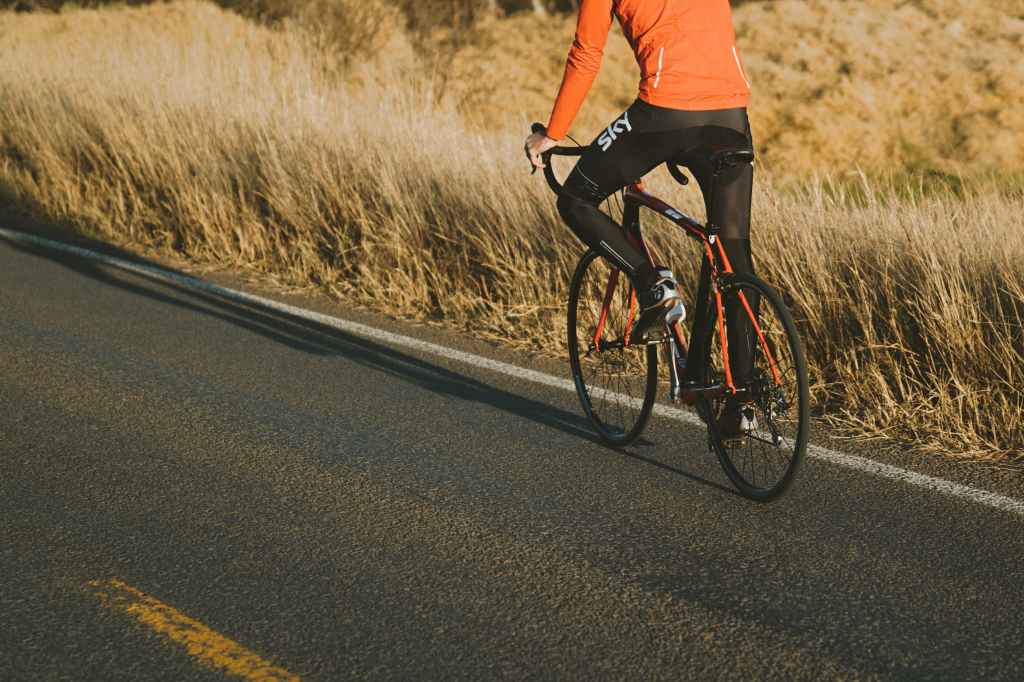
If you ride your bike for any long duration, it is inevitable that you will have a breakdown of some kind. Most likely, it will be a flat that you’ll have to deal with but that is a fixable scenario as long as you ride with an extra tube and some basic tools. If it is something more major, you might find yourself stranded. Here are a few tips to avoid being stuck far from home.
- This may seem overly obvious, but make sure to keep your bike in good mechanical shape. Check your tires, check your chain, make sure all bolts are sufficiently tight, etc., before you head out the door.
- Know how to fix a flat. If you don’t know how to do this, learn it. Watch a YouTube video. Make sure you also carry a spare tube, tire levers, CO2 and inflator, and a mini pump.
- Learn how to fix your chain if necessary. Most modern bike chains use a “powerlink,” so you may not even need a tool to fix it.
- Learn how to adjust your derailleurs whether they are cabled or electronic.
- Learn some basic bike maintenance and practice those things you are unsure about.
Bad Weather and Twilight Riding
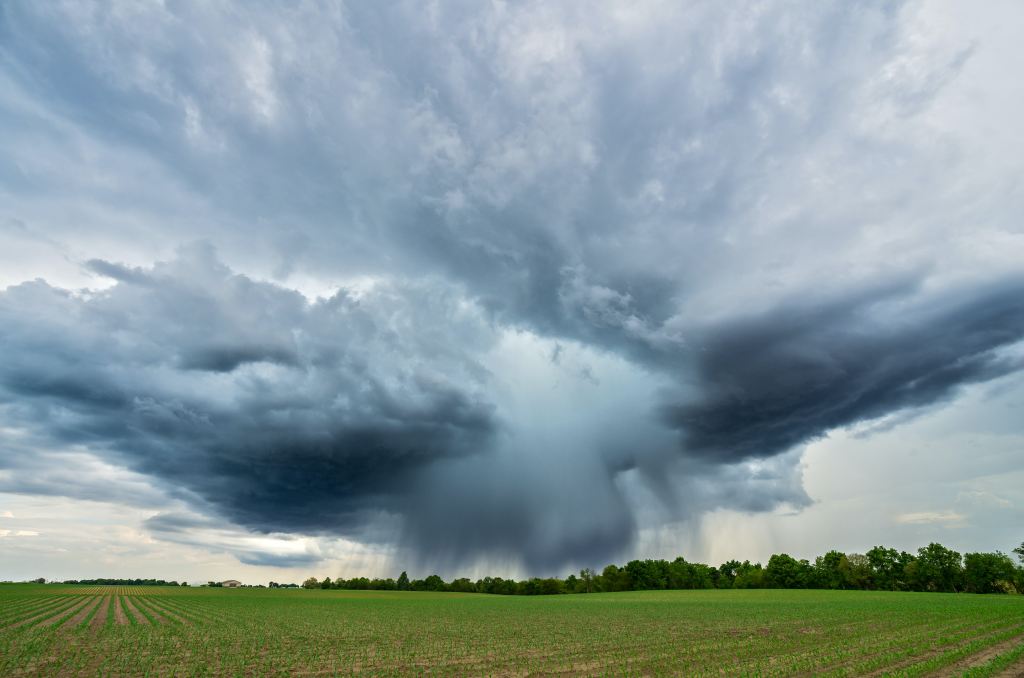
Unlike in other outdoor sports where a game may be delayed due to inclement weather and athletes can take shelter, cyclists are exposed to the elements all the time. It’s not unusual (especially in the spring or fall) for a ride to start out sunny and warm, but a few hours in, the skies may turn dark and open up with a downpour of rain.
Wind and rain don’t have to be feared, though, only something like high winds or lightning can stop a ride. So, here are a few things you can do to prepare for changes in the weather.
- Check the weather beforehand on your phone or computer. In the summer, the weather is fairly consistent. If you get caught in the rain, it might even feel good or refreshing, especially on a humid or hot day. In the fall or spring, the weather can be more mutable. A weather app will not only give you current conditions but also conditions for the hours ahead.
- If rain is in the forecast, you can always stay home and take the day off. Or you can get your ride in on a trainer. That might not be your ideal scenario, but some ride is better than no ride, and trainer rides have improved over the years due to smart trainers so that at least it equals (sometimes even harder) a road ride.
- If the weather becomes dangerous with high winds and rain or lightning, stop your ride and take shelter wherever possible. During the summer, storms can be short from 15 minutes to an hour. So chances are you’ll be able to continue your ride once it is over. In the spring or fall, storms might be long and ferocious.
- Prepare for potential bad weather by bringing a rain jacket and wearing a base layer. There’s nothing worse than being wet and cold on a ride. Rain jackets are great to have because they fold up compactly so they will fit in your jersey pocket, but they are essential because they can keep you dry and also keep the wind off.
- Stuff an extra pair of socks in a plastic bag. Riding in wet socks and shoes can lead to athlete’s foot.
Animal Attacks

Cycling or distance running are probably the only two sports where it’s possible to be attacked by animals, although it is a rare occurrence. Keep in mind that while you may not do anything to provoke an attack, sometimes animals react to scents or sounds, which is often the case with dogs, the biggest nemesis you’re likely to face on a ride. However, depending on where you live, you may encounter mountain lions, bears, alligators, or something else. Here are a few tips for dealing with potential animal attacks.
- If you’re attacked by a dog, chances are that you won’t be able to speed past them, although you can certainly try. If not, bark back at them. I know this sounds weird but it does work sometimes. You can also try squirting water on them. Your last resort is to dismount and keep your bike between you and the dog.
- If you live and ride in a part of the country where bears, mountain lions, moose/ elk are prevalent, read Chris Carmichael’s ways of responding to these animals if you see them: https://trainright.com/overcome-cyclists-top-fears/?utm_source=ctsnewsletter&utm_medium=email&inf_contact_key=9258fdda271aacabe2cfacf896decf2616358d5485884e2f31e6019a0d26c8b0.
Last Thoughts
It’s not irrational to have fears about encounters with cars, bad weather, animal attacks, etc., while out on a ride. However, a little preparation and planning can help keep those fears under control.
You shouldn’t have to sacrifice the joy of a bike ride. While you can’t prevent things from happening, fortunately, these things don’t happen frequently (or sometimes not at all). But it’s good to be ready if they do.
Have a good remainder of your weekend everyone!!!

Share this:


 Bicycle Day Trips - Bicycle Travel, Gear Reviews, Photography, Cycling News, and Commentary