

Now that summer is officially over with the ending of the Labor Day weekend, before too long the days will begin to grow shorter. So, if you are out on a ride late in the day or early morning, lights on your bike are a ride essential. But actually, it is a good idea (and a smart safety measure) to run lights on your bike even during daytime rides.
Lights are just that additional step you can take to make drivers aware you are on the road in addition to wearing reflective clothing or running reflectors on your wheels. However, I haven’t seen any specific data to support that lights make you safer on the road. I will try to explore that thought in this post. Then again, what can it hurt to have lights running on your bike? At least if you do end up in an accident, you can claim you took measures to ensure your safety.
Do Cycling-Specific Lights Make You Safer?
You would think that the physical aspect of a human being on a bicycle going down the road is enough to grab someone’s (a driver’s) attention. And you would also think that would be even more true with the brightly colored helmets, jerseys, bibs, and shoes that cyclists wear. The real truth is cyclists are frequently hit and killed by drivers who can easily claim they didn’t see a bicyclist.
The physical presence of a bike on the road with a rider in a colorful kit is not enough, according to an article over at Bicycling.com. And just because you are a pro rider doesn’t make you immune to fatality. A large number of pro and non-pro riders are killed every year. That is why a pro rider with Cofidis, Rachel Neylan, started the initiative “Be Bright, Wear a Light” on Instagram.
The goal behind this initiative is to get more bicyclists to use both a front and rear light during either day or night riding. The overarching question is, however, do lights affixed to bikes make us safer out on the road? A 2012 Danish study says yes. Its authors assert that 19% of cyclists who used front and rear lights had a “lower crash rate” than those without lights.
Types of Rear Bicycle Lights
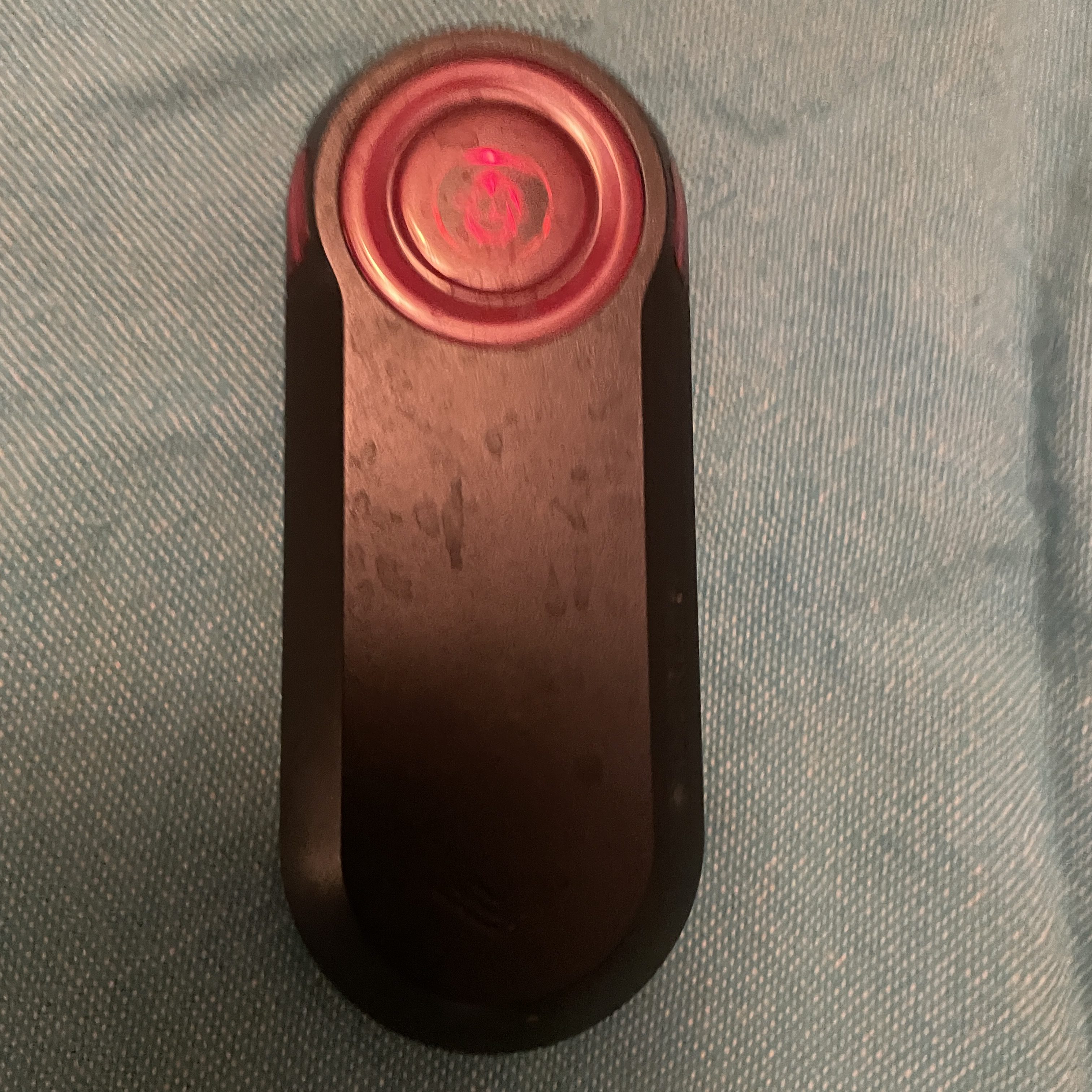
There are a myriad of rear bike lights on the market. They range in price and brightness. While most rear lights like the ones you see at Competitive Cyclist use either batteries or are charged via USB, the light you get should be bright and have a long run time of at least three to four hours in steady/ static mode. The use of the flashing mode in an extensive way will reduce that time exponentially.
Most rear lights have several flashing modes in addition to a steady/ static mode. Flashing is the mode I prefer in the hope it will grab a driver’s attention. My light is the Garmin Varia. It not only has a long run time and various flashing modes, but it also integrates with your bike computer (if it’s a Garmin, I’m not sure if this is the case with other bike computers, such as a Wahoo, etc.).
The way it works is when a car is approaching from the rear, the Varia will send riders a notification on their devices. You will be able to see the vehicle as it approaches (represented as a large dot on your screen) when said vehicle is 100 yards away. That way riders can get out of the way as much as possible and not look over their shoulders.
The latest version of Varia also has a rear-facing camera. That comes in handy if you ever have a run-in with a driver or you are hit. You might even be able to use the Varia video as evidence in a court proceeding.
Types of Front Bicycle Lights
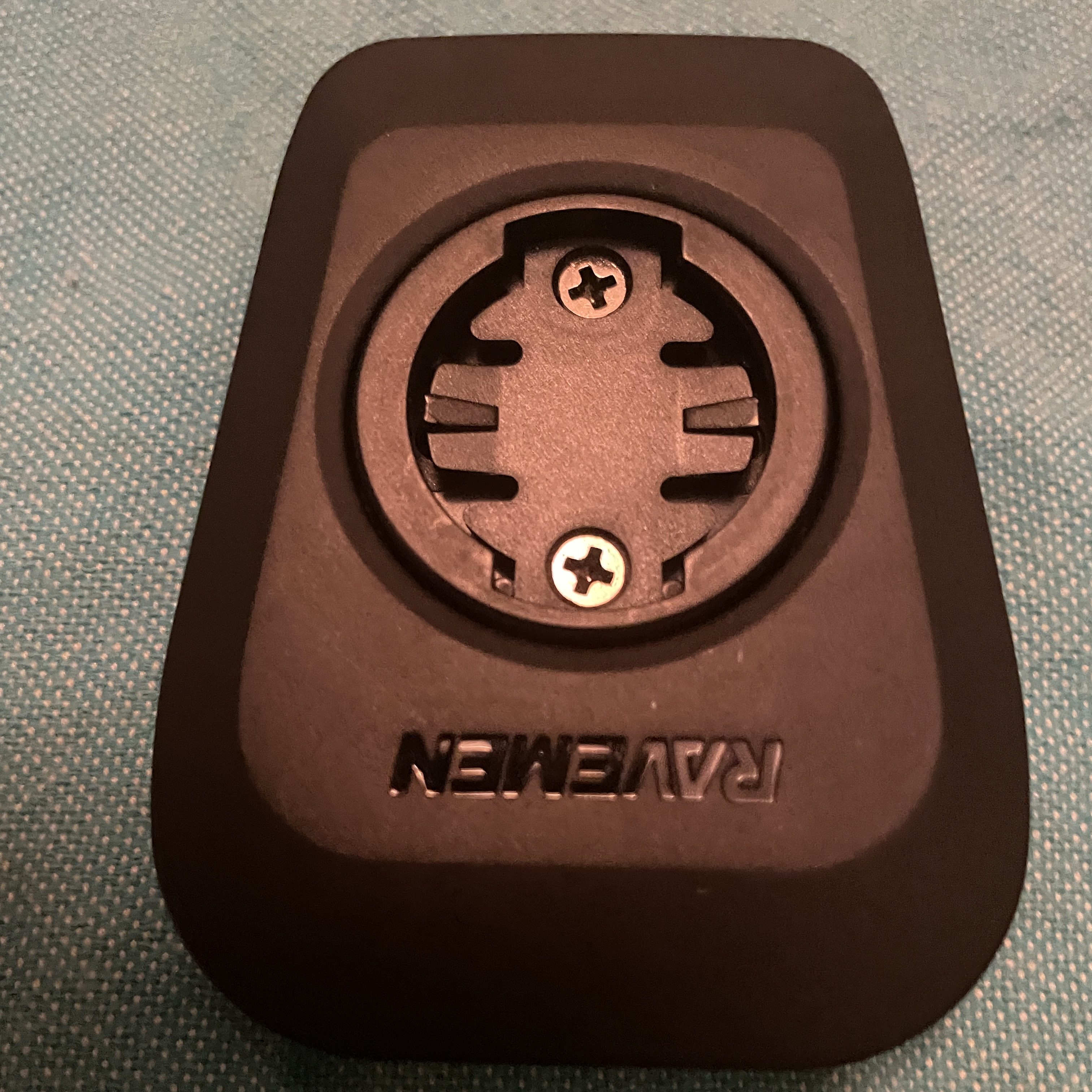
Traditionally, weight-weenie cyclists didn’t like anything that added weight to their road bikes. In fact, that was highly frowned upon. Front bike lights are definitely laden with suspicion. In the not-so-distant past, they were usually heavy and required a large battery to work, perhaps the size of a water bottle. Not the case now with the most current modern technology. Front lights (much like rear lights) have evolved as steady systems of brightness.
I’ve tried a variation of lights over the years from the simple Knog to something ultra bright. That may have been part of its product name but sounds too much like a game by Hasbro. Anyway, I must say (and I know this is blatant product endorsement) but the Ravemen is pretty incredible. You can use this light as both a superior light for night riding and a perfect light in flashing modes during the day.
The other significantly cool thing about the Ravemen: it takes up zero space on your drop bars. In fact, if you have a bike computer extender mount, you can connect both the Ravemen and your bike computer to one place. And I found it works best this way.
The Ravemen goes on the bottom and your bike computer is on top. Currently, I’m only using it in a flashing mode and have not used it at night. However, based on its basic brightness, I can testify the Ravemen would, most likely be, a strong night-riding light. The reviews I’ve read also claim this is true.
Last Thoughts
As much as we cyclists love our sport, it’s not worth dying for. Not many things in life are. If you can have one extra layer of safety while out on a bike ride that is scientifically supported, why wouldn’t you run front and rear lights on your bike? Maybe this is an additional expense and a boon for bike light manufacturers, but I think it’s more primal than that.
Human beings have always used light, since when they first had it, to bring them closer to whatever was being sought. Lights on your bike can only bring you, as a cyclist, closer to being seen while on a road ride. I’d call that a good quest.

Share this:


 Bicycle Day Trips - Bicycle Travel, Gear Reviews, Photography, Cycling News, and Commentary
One of the best features of the Varia that isn’t mentioned much is that the flash pattern and brightness increases when it detects a car. In theory this should make you more visible as the vehicle approaches. I’ve got the camera model (RTC715) and I rarely ride without it now, although I’d probably buy just the radar+light model if I had to replace it.
LikeLike
I didn’t know that about the Varia. I just have the radar + light function and I find it to be quite useful. However, that add-on of the camera is definitely a worthwhile upgrade. Do you like it? Does it work well?
LikeLike
The camera is “okay” at best. It shoots at a maximum of 1080p, which is good enough to pick out number plates 98% of the time during the day. It’s certainly not “action cam” quality footage, but it’s not designed to be. It’ll do the job if you ever need to use the footage for evidence. As an upgrade, it is rather expensive compared to the regular Varia I think.
LikeLike