

Other than the comfort factor and ease of mobility we, as cyclists, get from wearing cycling-specific clothing, do you feel safer (more visible to motorists) or not? According to an article over at road.cc, motorists believe cyclists who wear helmets and high visibility clothing seem less human. That is, of course, the opposite response cyclists want motorists to have.
Cyclists are very human. We wear our bright kits and high-visibility clothing to be seen clearly while out on the road. We wear helmets to avoid traumatic brain injury if we were to have a serious crash. We wear sunglasses to protect our eyes from road debris and harmful UVs from the sun. The list of good reasons for why cyclists wear what they do could go further but I guess that doesn’t matter to motorists.
What Motorists Really Think of Cyclists
Road.cc points to a study done in Australia about the safety attire worn by cyclists. Out of 563 respondents, motorists and maybe other pedestrians, 30% view cyclists as less than human when they wear helmets and safety apparel. In other words, the steps a cyclist takes to be safe and be seen on the road are a distraction and an annoyance to motorists.
Does that mean that cyclists in helmets, sunglasses, and high-visibility clothing are more of a target for motorists? That conclusion isn’t specifically made but it is suggested. As road.cc notes, bicycle commuters riding wearing regular everyday clothing blend in more.
Motorists perhaps see them as working-class people who can’t afford a car, etc. as opposed to a guy in a cycling kit on a high-end bike. There seems to be a consensus around this point in the cycling community. But this should not be the accepted viewpoint by cyclists.
High-Visibility Clothing and Helmets Are For All Cyclists
I get it, cycling gear is expensive. A helmet, a pair of padded shorts or bibs, cycling shoes and pedals, etc., the cost factor for these items can escalate quickly. Many cyclists who use a bike for work commutes or errands, most likely, don’t see the necessity for these items.
If the cycling industry, however, made them more affordable for the everyday rider and commuter, more riders in this category would have them. I’m sure if you were to ask these cyclists if safety and visibility are a concern for them, I’m almost certain that a lot of them would say yes.
So, I would suggest that if we want to see more bikes on the road and fewer people in their cars, the industry should make gear like helmets, vests, lights, and other reflection-oriented apparel freely available or at least possible for riders to rent or buy at a heavy discount. But helmets and high-visibility clothing need to be the accepted norm among cyclists and motorists, not perceived as annoyances.
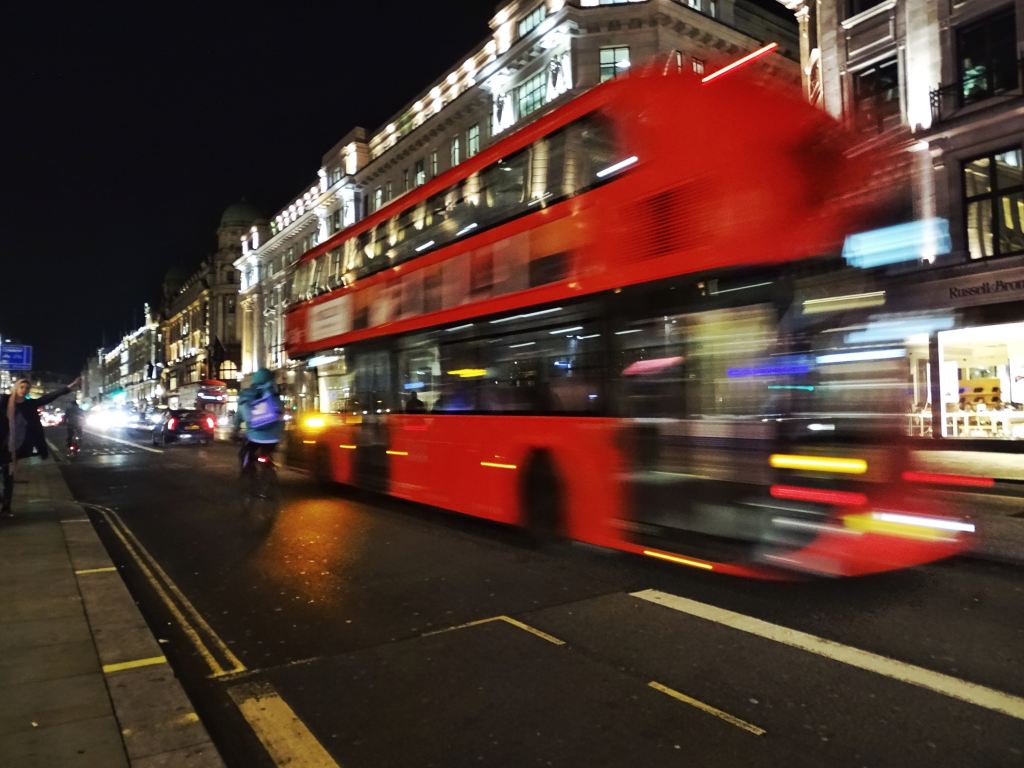
Plus, a lot of bike commuters and other kinds of cyclists ride at night. High-visibility apparel should be an essential piece of gear for them. In fact, over at the ZICLA blog in a post titled “Why Reflective Clothing is Important for Cyclists,” they are in favor of high-visibility clothing. They go as far as to say, “If a cyclist chooses to wear reflective clothing on the top and bottom half of their body, they will create a human shape which will be reflected back toward the driver. This image will register a lot easier to a driver who will instantly recognise it as a cyclist. Drivers only have a few seconds to register an object they should avoid, reflective clothing worn across the entire body has a higher chance of achieving this.“
Last Thoughts

Personally, I don’t care if motorists are annoyed by seeing cyclists wearing helmets or high-visibility clothing, or if they view us as a distraction. To me, that means we have their attention whether they like it or not. Cyclists, no matter where they ride or for what reason, should be allowed to feel safe, and if that means wearing a few pieces of extra gear to achieve that, then so be it.

Share this:


 Bicycle Day Trips - Bicycle Travel, Gear Reviews, Photography, Cycling News, and Commentary